So you’ve decided to rebrand?

So you've decided to rebrand

You’ve weighed it up and on balance, you’re ready to start rebranding. You’re not sure if this is going to be a light-touch refresh or a full-on rebrand. So, where should you start and what can you expect?

Who do you engage?

As you’re already redoing your website, you can get your web designers to double up and do it, right?

Wrong.

Digital agencies are specialists, experts at what they do. They create smooth user journeys and snag-free interaction through complex content, produce user-friendly interfaces and come up with beautiful websites. They keep up to date with, and understand all the nuances of ever-advancing technology but that doesn’t make them brand strategists or brand identity designers.

Our marketing team knows their way around Photoshop…

The argument against this echoes the one above. And to quote a leading authority in the creative and digital space, David C Baker (Recourses Inc):

You don’t see a kidney specialist secretly hoping a heart transplant candidate accidentally comes to her offices so that she can nail that first surgery she’s always wanted to do.

Okay, so design isn’t the fourth emergency service but you get the point. Over time brand strategists and designers gain experience, pick up additional knowledge and expertise, and see patterns that can then be harnessed to bring you tried and tested solutions. Having someone learn on your time, experimenting with your rebranding project, is not the way to go.

Go to a dedicated branding expert

Start by bringing in an independent brand design consultant. They’ll step back, review and make recommendations on your proposition, positioning, purpose and differentiators. This will lead them towards identifying and defining what I like to refer to as, your brand essence.

Where should they start?

Your brand design consultant should begin by working on a strategy with you – one which will help you find your ownable space and will define your character. They should look at the structure and architecture of your business and make sub-branding recommendations if these are necessary.

Their focus should be on producing a creative brand idea – something designers and copywriters can hang their hat on before reaching for their sketchpads or keyboards.

Branding should never be something that’s done ‘to you’ but ‘with you’. When we work with clients, the approach we take is based around a process of discovery and co-creation, with the rebranding activity being very much a collaborative and inclusive activity.

Containing multitudes

Your brand design consultant should be skilled at working with a range of different experts, from copywriters and marketers, to photographers, web designers and videographers.

How will it work?

Here’s your starter for 10: a list of what your consultant should look to be delivering in a typical rebranding project. The elements will of course vary depending on the size and complexity of your project.

  1. Scope. Defining the scope of the project in a 1:1 meeting. Branding is deeply personal for founders and CEOs, and having top-down understanding and buy-in is crucial to the project’s success.
  2. Review. Customer research, i.e. having a handle on how others perceive you, is fundamental. Use a dedicated research consultant or, if you already have recent research to hand, hand it over to your brand design consultant for them to get the inside track on your business.
  3. Audit. A visual and verbal audit should take in your current brand identity, your competitors and the category you operate in.
  4. Facilitation. Facilitating team discovery sessions is important for unpacking your brand pillars – your purpose, vision, character, value proposition and the reasons people should believe in your offering.
  5. A written strategy. Producing a strategy for review, discussion and approval before embarking on the next creative steps pulls together all the elements of 1–4.
  6. Leading co-creation. Involving key team members in co-creation sessions and exploring objectives, inspiration, themes and concept development helps create a more complete strategy.
  7. Preparing the brand briefing package. Producing a brand design brief that takes in visual reference and a summary of the brand strategy.
  8. Direction. Offering direction on the creative design of the rebrand including the logo, colour palette, visual motifs, image style and typography.
  9. Creating brand guidelines. Producing brand guidelines that take in tone of voice (verbal identity) and examples of application – large format, digital and print.
  10. Hand-over and Review. Briefing your partners (web designers, content writers etc) on the final assets and initial application suggestions, and staying on board to review the final result.

It may seem like an exhaustive and exhausting process but it doesn’t have to be. Nor should it necessarily take a long time or cost a small fortune.

Experienced brand consultants will adapt to the parameters of the task in hand, can move at pace and will check in regularly to keep everything moving on the right track.

After all, an authentic and compelling brand identity is one of the most important assets your business will invest in. It builds trust and pride as well as contributing to the health and progress of your business.

Time for a rebrand?

Time for a rebrand?

A rebrand and the fresh new start it promises can seem like a tantalising prospect. After all, you upgrade your phone, redecorate your home and update your wardrobe, and your brand, as a key asset in your business, deserves attention to ensure it keeps on doing its job for you.

But coming up with the right brand, one that is right for now and as future-proof as it can be, is a time-consuming exercise and nowhere near as easy as many of the more routine updates you undertake. So, if you’re thinking that staying as you are is no longer the right thing to do but you’re not convinced you’re ready for a rebrand, answering ‘yes’ to any of these five reasons should help you decide to take the plunge.

And just to be extra helpful, we’ve added in three scenarios where it might be better to hold off for now.

Yes, go ahead with a rebrand if…

1. You’ve changed your offer

You’ve grown, expanded into new markets, introduced new products and services, taken a different direction or now have a new client base. The branding that fitted your business so well when you first started out feels past its ‘best before’ date and you’re starting to feel a niggling embarrassment about the look and feel of say, your business cards and website.

One of the key roles of branding is helping people understand and navigate your offering, and all of those positive business growth and development markers may mean that your branding has been left behind. Quite simply, it no longer reflects what your business is all about.

2. The world around you has changed

You haven’t kept up with changes in your marketplace and the wider business landscape. Perhaps your original branding fell into the trap of following the trends of its time too closely and now looks dated and clichéd. Or maybe you recognise that you’re not making full use of more recent thinking on how people relate to branding – where a more personal and emotional element can be introduced to better communicate the values and vision behind your business – where you focus on the ‘why’ and not just the ‘what’.

3. Your visual and verbal identity is all over the place

Maybe getting the branding right wasn’t that much of a priority first time round and your branding isn’t clearly defined or aligned with your business. If there was a concept behind the creative, it’s been long forgotten. With everyone on the team piling in and producing customer-facing materials, branding is inconsistently applied and the results look far from professional.

4. The pieces of the puzzle don’t fit any more

You’ve bought other companies or merged, and even though it’s been good for the bottom line, you’ve been left with a culture mismatch. Perhaps you’ve shifted your positioning and are now looking to raise your prices to match your redefined offering. Or maybe, with new entrants in your marketplace, you’re beginning to look a little like everyone else and your branding is no longer helping differentiate you from the competition.

We were a mess and Sue and the team sorted us out. They took the time to understand what we wanted and built the correct team who could focus our branding and our customer offering.

(Simon Scott, Owner Push Entertainment)

5. You don’t have an up-to-date brand strategy

You already know that some things in your business need to change. You might be about to embark on a major overhaul of key touchpoints, commission a new website or begin implementing a new marketing plan. You’re not sure however that this marketing plan truly reflects your vision, values and positioning, and you can’t help thinking that it all feels too tactical, without a top-level strategy behind it, pulling everything together.

How a rebrand gave this tech firm the edge in its category

KTSL had fallen into the trap, so many tech companies do, they focused on the awe and wonder of tech, not the people who delivered it or the people who used it. Worse still, they defaulted to the category cliches of ‘mystical’ tech images – techie interfaces floating over dark layered backgrounds – Tokyo-style nighttime skylines. We showed them what SaaS challenger brands were doing and the marketing of big tech brands like Google. We shifted the focus to the individual, speaking in clear everyday language. Full project case story here.

Tech brand imagery

Woah, stop! Don’t do it, because:

1. You recently rebranded but maybe haven’t seen the results yet

(Also reads as: You love shiny new things!) Ask yourself if you’ve given it long enough to see the impact of your new brand identity. Rebrands aren’t necessarily quick fixes. What already feels familiar to you may not have percolated through in your marketplace and your new branding may need more time to become recognised and established. As the saying goes, you have to throw enough water at people before they get wet! Stay firm for a little longer and arrange to conduct a structured review at a more reasonable point in the future.

2. You get new business referrals all the time from your loyal community

In brand-speak this is gold dust: you have great brand equity. Your audience understands who you are and why you’re special so don’t mess with your branding. But don’t become complacent either. Keep an eye on your brand. Have conversations with your existing clients and your target audience. (An independent consultant can help you by asking the right questions to uncover whether your brand identity resonates.) Brands are not fixed in time and space, they can be affected by external factors too (see, The world around you has changed, above).

3. You have big plans, you just can’t reveal them yet

You’re planning radical changes that will impact your value proposition. Stop. Don’t rebrand yet. By all means scope out the impact of those changes with a brand design consultant but don’t launch into a full rebranding process until you’re clear on everything. You don’t want to fall into the trap of having to rebrand twice – the cost to your business will be more than financial. Think of the confusion two rebrands in quick succession could cause your customers, prospects, team and suppliers!

––

If you think you’re ready to start rebranding, here’s what you might be thinking and what you can do next:  So you’ve decided to rebrand? Myths, misconceptions and what to expect when you’re rebranding

Founder-led, conversation first

Branding for founders

Founder-led companies and strong branding are natural bedfellows. With a compelling origin story, you could say that when it comes to branding, they’re ahead of the curve. Creative, driven to succeed and often the preferred choice of investors – founders are, after all, the ones who spotted an opportunity, a gap in the market, and worked relentlessly to make it a reality.

But founders also operate under a whole heap of pressures – not least that the buck starts and stops with them.

Business and brand evolution go hand-in-hand

Having lived through and survived the early years, they’ve watched their business grow, evolve and develop. That original inspiration probably remains intact but, as you’d expect, how the offering and its position in the world is being communicated, may be starting to unravel at the seams.

Like a favourite suit, the branding is beginning to feel a little baggy in the knees. The founder recognises that it’s time for a refresh or rebrand but can’t help but hesitate and waver: The brand and business are as one – their precious baby. How can they ever be sure that any change stays true to that original vision and values? How will involving the team that has grown around them play out?

Pandora’s Box or Golden Fleece?

Thinking it might be time for a rebrand can also feel exciting. Like any change it’s a step into the unknown – will the process open a Pandora’s Box or unearth the Golden Fleece? There’s always the danger that it could veer off course, prove distracting and not deliver the right end-result.

In most instances, branding is not the founder’s ‘thing’ and they’re well aware that strategic change is complex. So how can they, and indeed, anyone looking for a rebrand, set the parameters for change and make a strong start?

How can you ensure you step in feeling confident and assured?

The benefits of getting the foundations right

Bringing in external, expert help doesn’t have to feel like an invasion. By kicking off every branding project with a structured one-to-one conversation (or, if needs be, a series of one-to-ones) you will:

  • Gain an understanding of the process – there’ll be no surprises, you’ll trust the method
  • Get an objective point of view to sense check your gut instinct
  • Stay in control
  • Be able to use it as an opportunity to discuss your hopes, your vision for the future and try different possible outcomes on for size
  • Become an advocate for the change – able to set the tone from the start, heading off any team sceptics and staying on track.

Things can still move fast, in fact quite possibly faster, but it will be sure-footed speed that brings the internal team and the brand partner team together, preventing false starts and delays further down the line.

What Brand Foundation 1:1 offers

At The Co-Foundry we call this one-to-one conversation, Brand Foundation 1:1. It’s baked in at the start of every branding and rebranding project, and typically covers the following:

  • An open discussion of plans for the future – what’s going right in the business and what needs to be worked on
  • Recommendations from the brand design consultant on the way forward, including initial research and the sort of exercises they suggest for the team workshops
  • Decisions on who best to involve in the project including discussing the characters in the room and any sensitive issues, to ensure that facilitation is effective and enjoyable for everyone involved.
1:1 Brand Foundation

Clarity and confidence

Sometimes the one-to-one can act as a sense check or an opportunity for the founder to gain personal clarity. Is rebranding the best thing for the business at this time? Experienced brand design consultants should be able to ascertain whether what’s needed is a tweak, an extension, a full rebrand or a ‘leave well alone’. It may be that the visual brand is strong but it’s just the tone of voice and messaging – the verbal identity – that needs work.

Whatever form the one-to-one, or series of one-to-ones, take the end result is clarity – from having a much clearer brief, to confidence in the decisions being taken and the way they’re communicated.

I think it’s quite an unusual proposition that you can, as a business owner, speak to another business owner, who’s also a branding expert.

(Jo Haywood, Founder, Skylark Media)

Why top-down advocacy matters

Those branding projects that prove the most successful have senior leadership invested and on board from the start:

When the CEO guards the brand and the core idea it stands for, and cherishes it, the rest of the organisation follows.

(Wally Olins, Wolf Olins)

Branding is, after all, an investment that’s made only every so often and taking time to get those early pre-project steps right, goes a long way to creating a smooth journey and first-class outcome.

Who to choose as your branding partner

You have personal and business goals, and you know that having a strong brand strategy will help you reach them. When you start to look for the best partner to help you achieve this, the choices are myriad: from large agencies with big teams, through to smaller boutique studios and individual freelancers. Their work looks pretty good but how do you know you’ll be getting the best outcome for you? And how should getting that ideal outcome feel?

Agency Model

Firstly, who can help you get there?

The agency

Choosing a traditional design agency is right for many. I followed the studio-style agency model with Touchpoint Design and with my previous London agency. Typically, you’ll meet the agency owner/senior staff to start off with and then you’ll go on to work with an account handler and the creative director supported by an in-house team of juniors and middleweight designers – a sizeable team focusing on you and your brand.

Downsides to the agency model

Everything but the kitchen sink is thrown at winning the work but it may not be possible to deliver on all the promises made at that initial stage:

  • You can have a fantastic onboarding experience but then may end up feeling discarded or passed on. Given agency and staff overheads, the owner and senior team are always looking to fill the pipeline and seek out the next client win.
  • There may be pressure for the agency to distinguish itself within the industry ecosystem by winning awards. Chasing awards may make for a happy agency but could mean you won’t be getting the solution that’s absolutely right for you.
  • Agency creative teams love the buzz of the presentation – the razzmatazz of The Big Reveal. Nuance and subtle insights, things that are important to you and drawn out in the discovery and strategy stages, can get lost in the excitement, with further attrition when the project is handed down to the more junior team members.
Individual freelancer

The lone freelancer

The lone, independent freelancer sits at the opposite end of the spectrum to the agency. Again, this is an approach that can be the right one for many businesses, not least because it seems cost-effective. Maybe you have a pre-existing relationship with a freelancer and you know they have a deep understanding of your business challenges? Even if you make sure you’re working with a freelance branding specialist rather than a freelance design generalist, branding projects are often best served by bringing those with specialisms in. Quite simply, one person may struggle to fulfil all the elements of the work.

Potential pitfalls of hiring a freelance generalist

  • Do they have the experience to know when a job is beyond their area of expertise and will they know when to step back and when they can push you further?
  • Are they more of a generalist, covering web, graphic and logo design, rather than being a strategic thinker? A lack of strategic experience will demand a lot of time and direction from you.
  • Although all of us need to have the time and space to learn, you don’t want someone learning their craft on your time – it might not always be easy to tell to what involvement a designer has had in the projects in their portfolio.
Consultancy model

How you can have the best of both worlds…

The consultancy model

(And why we moved from being an agency to becoming a consultancy.)

This month we launched our new name and business structure, going from being an agency, Touchpoint Design, to becoming a brand consultancy, The Co-Foundry – an experienced brand design consultant with an outstanding pool of specialists around her.

I did this because I want to offer a real alternative. After more than 25 years in the industry, and having run creative and tech teams, I saw that many of my clients would benefit from something very different to the traditional ways of thinking and doing branding work – a personal guide and facilitator who stayed on board all the way through, from discovery, to delivery of the final output.

A pool of talent

Having access to the most appropriate people for your branding project brings significant benefits. I’m a huge believer in people honing their specialisms. The current climate means that far too many junior designers and generalist freelance graphic designers are under pressure to work across areas as diverse as motion graphics, website design, typography and packaging.

As the consultant, personal guide and facilitator, I’m able to build out and bring in the best talent, unconstrained by the fixed skillset inherent to an agency in-house team. Of course creatives are, by their very nature, adaptable but the consultancy model means having a larger pool to pick from. You get the best writer, designer, photographer or motion designer for your project and we’re able to go deep, draw out insights and ensure the eventual creative solution is the right one for you – not for our portfolio, or the next award entry.

It’s the essence of branding done with you, not to you – leaner and more agile than an agency but more experienced, better resourced and potentially better connected than a lone freelancer.

Finally, how should that ideal outcome feel?

Keep in mind that at the end of the day, after assessing on skills, your choice of branding partner should also be guided by intangibles such as chemistry and gut feel. From these, the trust you build will go a long way towards you feeling total ownership of your brand.

The ideal outcome of a branding project should give you complete clarity on who you are, what your audience cares about and how you’re distinct from your competition. It’s never just a colour change or a new ‘badge’ but something that communicates the essence of who you are and how it feels to do business with you.

With the right branding you’ll feel comfortable in your own skin, your team will get it and be totally on board with it, and everyone will pull together,presenting the business on-brand and in the best possible light.

The tech brands getting tone of voice right

Back in the day, B2B tech companies were often known for using formal, jargon heavy language that was difficult to digest. Thankfully here in 2021, we’re beginning to see more and more tech brands get it right, with brand language that neither bores nor patronises their young digital native audience. So what can we learn from these hi-tech trailblazers? Take a scroll with us…

Intel Inside 1991

Complex presented simply

Smart tech brands don’t dumb down their language to simplify information. They know their audience are clever enough to understand the tech. The trick is not to complicate the complex. A famous example of this is when Intel launched its microprocessor in the 90s. Rather than go into detail on what made it tick, it introduced the slogan ‘Intel inside’ [Intel: Because all you need is an idea and Intel Inside® to go off and do something wonderful]. The tech smart audience already knew all about the DNA of the processor and could appreciate how its presence made things simple. By not unpacking the complex, it remained impressive, not complicated.

Intel Inside 2020

Skip forward a few decades and they’re still getting it right. Click on a processor from the homepage and you instantly get a summary of the benefits it can bring to you, a tech savvy user, but without extra complicated jargon or unnecessary boasts.

Cut the clichés

Overused marketing terms, jargon and buzzwords are just fillers not thrillers. Phrases like ‘innovative solutions’ and ‘seamless communications’ mean nothing and add nothing to your brand. Instead use precise and original language to hit your brands tone on the head. A consistently great example of this in action is Mailchimp. ‘Marketing Smarts’ isn’t a generic term, it’s Mailchimps original way of talking and it stands out all the better for it.

Don’t patronise your audience

Millennials are the most digitally savvy colleagues, competitors and audiences yet. To understand them, involve them. A great tip from Tiny – a content tool provider – is to not overlook developers’ storytelling powers. They fully understand the tech, so get their input into the marketing side of your business and you’ll have a better chance of engaging a tech savvy millennial audience who can see through standard marketing tricks. As Ben Long from Tiny says

“Developers can share their lived experience and provide real examples, which is not only engaging to the audience, but also leads to more original content.”
–Ben Long, Tiny

SquareSpace chatbot tone of voice

Another brand that deserves a mention here are Squarespace. Their customer service bots use helpful honest language that doesn’t try and trick in-the-know developers into thinking it’s human – and it’s all the better for it:

Monzo tone of voice

Words + Actions

Finding the right language for your brand is good, but when you back it up with brand actions it’s mighty powerful. A brand with strong beliefs that isn’t afraid to show it is Monzo. They aren’t just saying things differently, they’re doing things differently too, with a bright zingy bank cards and innovative pots of money to manage more easily. They believe strongly that banking should be seen from a customer’s perspective and they live their tone as well as speak it.

Image source:Monzo tone of voice

Promote the value you add, not just the tech you have

At first, the success of a tech brand was all about the innovative products it offered. Now, with advances in technology and the market saturated with both start-ups and giants, cutting-edge tech is expected as standard. So major on the value YOU bring to clients by using the tech, not just the tech itself. A recent experience we had of this was working with Bristol Web App design agency Unfold, previously called Haio. After examining what makes them tick and keeps their customers coming back for more, there was a Eureka moment. It was their ability to spot potential in their clients and unpack that by applying first-class tech that made them truly unique. Their perspective shifted from talking about the products to talking about how they could accelerate business growth for clients. And to back up this shift in focus, they rebranded with a new name that articulated their process. Now for Unfold, adding value is front of mind in every conversation, business lead and comms.

Apple messaging

Personal is powerful

One screen = one person. You’re only ever communicating with one human being so make sure it sounds that way. Apple have always used this tactic and it always feels fresh.

Add character

From the start, Slack have been adding a playful tone to all their copy. Whether that’s loading messages, bug fixes or customisation, even micro-copy is injected with personality. Unlike some tech brands, they don’t hold back and the result is a reputation that builds on their promise of making comms simpler and more fun.

Even their technical updates are fun.

UX tone of voice

Make TOV part of the UX

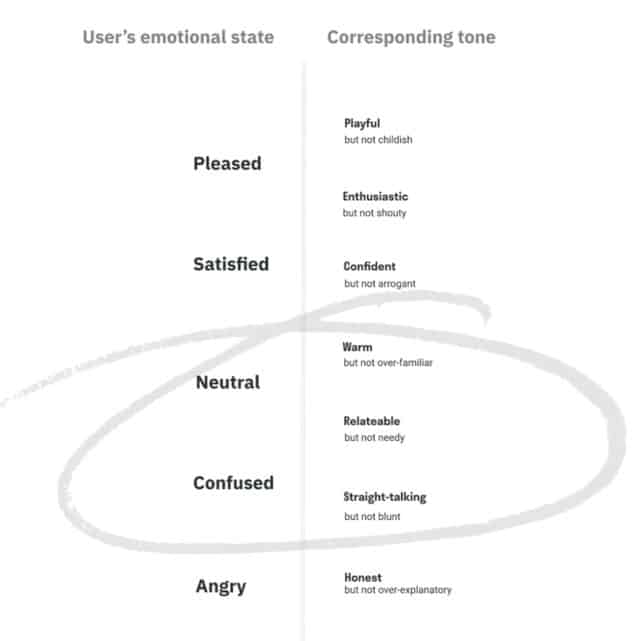
All tech brands want to achieve a good user experience. A key ingredient in that should be tone of voice. But what’s important for UX is at what point the user is entering the conversation and what mood they are in. Rhiannon Jones, content writer at Deliveroo lays out tone of voice on a scale depending on the user’s mood. A purchase fail message towards the end of an order will likely induce anger and require an honest response, but a push notification update when your food is nearly ready will provoke happy feelings and permission to flex your playful tone. Find the feeling, find the tone:
(Image source: How to Use Voice and Tone in UX Writing)

Involving copywriters at kick-off UX meetings is therefore important to help lay the groundwork with the design and product teams. It can be the magic seasoning to help perfect a personalized experience that really speaks to the user.

Strong roots, healthy shoots.

And of course, one that we can certainly get behind – make sure your brand foundations are strong. No matter how good your writer, without purpose, vision and direction, a tech brand is just another tech brand. But we can help with that. For expertise in redefining and positioning your brand, finding your essence and running with it, give The Co-Foundry a call.

Author: Nicky Roberts, senior creative, copywriter, scriptwriter and tone of voice mentor

Portable magic: the books that helped us navigate 2020

Following one of the toughest years in recent memory, our creative director Sue shares the books that helped her on her agency journey over the last 12 months

It’s been said that there’s no better investment than a book. For a small amount of money, you gain the expertise of world-leading thinkers, whose ideas you can adapt and adopt in your own life or work.

This has certainly been true for me – books helped me to make sense of the world in 2020, when we were all forced to stop and rethink so many aspects of our everyday lives. Here are some of the books that provided me with much-needed clarity during the pandemic.

Deep Work

Deep Work by Cal Newport

Like many people, I struggled with time management and maintaining focus in 2020. Cal Newport’s advice to set aside chunks of uninterrupted, notification-free time for deep work really helped. Taking control of your own time, rather than allowing it to be constantly interrupted by others, is a game-changer for getting stuff done.

This book also taught me the importance of working with your own body clock – finding the times that best suit your own patterns of productivity. For me, that usually means starting work early, either to tackle a big client-focused task or to work on building the Touchpoint brand.

David C Baker

The Business of Expertise by David C Baker

To niche or not to niche? That is the question that David C Baker persuasively answers. The Business of Expertise provides a useful framework for independent consultants who care about providing a truly useful and valuable service to their clients.

Owning the expertise and insight you can provide as an entrepreneur makes for a better business. I’m looking forward to putting some of Baker’s lessons into practice in 2021 and beyond.

Blair Enns

The Win Without Pitching Manifesto by Blair Enns

If you sell your work or run a creative agency, this book is a must-read. Despite some uncomfortable truths that you may or may not agree with, I found Enns’ ideas insightful and motivating.

As well as offering up some original ideas, Enns is adept at reminding his readers of the seemingly obvious but essential principles that every business owner needs to be successful. His encouragement, insights and honesty are refreshing to read.

Value Proposition Design

Value Proposition Design by Alexander Osterwalder, Yves Pigneur, Gregory Bernarda and Alan Smith

What your audience values is the frequently missed piece in the too often introspective brand design puzzle. I adapted this practical toolkit to use in Touchpoint’s brand discovery sessions, resulting in clear, compelling value propositions for the clients I work with.

If you’ve ever been frustrated by product launches that were planned based on someone’s intuition rather than solid, practical evidence, Osterwalder et al will show you a better approach that puts the needs and wants of customers first.

Branding - Michael Johnson

Branding in Five and a Half Steps by Michael Johnson

You’ll often find this book open on my studio desk. It regularly serves as a helpful reminder that magic happens at the intersection between brand strategy and brand design.

Michael Johnson provides a definitive guide to the entire branding process. He explains the fundamentals behind some of the world’s most successful brands, demonstrating the importance of careful research and strategy as opposed to instant visual solutions.

Robert Craven

Bright Marketing for Small Businesses by Robert Craven

My copy of this book by Robert Craven has become dog-eared from repeated use over the years. It’s packed full of excellent marketing advice for agencies and their clients alike.

For those of us who run service businesses, it can be tempting to overlook the importance of marketing our own companies, ignoring the advice we so often give our clients. With a helpful list of key areas to focus on and simple steps that can be put into practice, Bright Marketing for Small Businesses serves as a useful reminder that every entrepreneur is capable of spreading the word about what they do.

Creative Process Design

Creative Process Design by Alejandro Masferrer

This publication by Spanish company Triggers provides a useful methodology for team ideation and co-creation. As I work with digital agencies and tech companies (often collaborating directly with their senior leadership, marketing teams and designers), the author’s methodology for facilitating collective creative workshops has been invaluable.

The section on managing scepticism and lack of motivation within teams has been particularly helpful – unsurprising, given how challenging 2020 was for everyone.

Agencynomics

Agencynomics by Spencer Gallagher and Peter Hoole

This plain English, no fluff guide to finance, sales, marketing and culture is full of useful advice for creative agency owners. I dip in and out of it regularly for the useful tips, tricks and metrics it offers.

Gallagher and Hoole provide a comprehensive and easy-to-read guide on running an agency, with some helpful benchmarks for success. Many agency owners use it as blueprint for business; if you’re at all interested in how to run a successful creative service business, this book is a worthwhile read.

Self Compassion

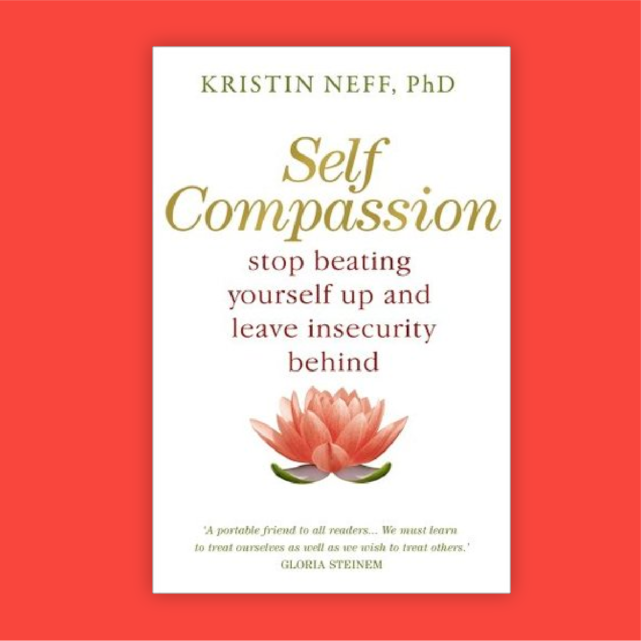
Self Compassion by Kristin Neff

We all need to be kinder to ourselves. If ever there was a year to follow through with this advice, it was 2020.

Kristin Neff’s book helped me when I really needed it. Its three pillars of self compassion (to give yourself kindness, to realise that pain is part of the human experience and to hold your thoughts and emotions in mindful awareness) may sound airy to self-help sceptics, but anyone who practices mindfulness will be aware of how powerful these concepts can be. If you are your own worst critic, this book is for you.

Unchartered

Uncharted: How to Map the Future Together by Margaret Heffernan

I saw Margaret Heffernan launch her book the week before the UK lockdown started. It couldn’t have been more timely. We knew at the time that things were about to change, and Heffernan’s advice provided a priceless guide for the uncertainty we all faced.

Our society is obsessed with forecasting. Whether we’re relying on weather forecast apps or economists, predicting the future is something we’ve come to expect, yet it’s not always simple or even possible. Uncharted helped me to accept that the future is unknowable; that it isn’t possible to accurately forecast how life will look to any long degree. With my three-year plan out the window, I instead gave myself permission to focus on three-month cycles of planning.

Company of One

Company of One by Paul Jarvis

This book’s advice is to make your business better rather than bigger. It challenges you to question the pressure to grow for growth’s sake, and instead consider what you actually need from work. Getting swept up in the growth mindset is all too easy, and this book made me rethink what I actually need, financially and personally, for my agency.

Jarvis’ advice triggered me to move away from the traditional agency model and towards a leaner consultancy model. This is the journey I’m navigating now; I’m not there yet, but I have my mission and this book helped me to realise it more clearly.

Bookstore.org

Which books have you found helpful over the last 12 months. Let Sue know on LinkedIn – we’re always looking for new suggestions for our studio library!

Where available we have provided links to Bookshop.org — an online bookshop with a mission to financially support local, independent bookshops.


“Books are a uniquely portable magic.” — Stephen King

Change for change-makers

Chnage for changemakers thumbnail

We’re in the business of change. Not change for the sake of change but change when we need to change. Whether its changing people’s minds or the position you hold in the minds of your audience. Because let’s be clear, you can’t completely control your brand identity. Your audience has its own perception of who you are, what you do and what you stand for, but we can help nudge through creativity and clear thinking.

At The Co-Foundry, we don’t get excited by the prospect of changing branded products on a shelf, and we don’t get out of bed in the morning to make change happen for corporates. We focus on making change happen for change-makers: passionate founders, purpose-driven organisations and purpose-led employees.

There is so much more to brand repositioning than a logo, BUT we all love a good makeover, so we have put this collection together – swipe right and see the change.

Brand refresh for Housing for Women – the charity needed to reinvigorate its brand to increase impact, give clarity to their mission and enable them to differentiate themselves from competitors in the housing association brand space. We designed a brand identity that reflected the positive impact of their work – rather than focussing on the sometimes negative imagery of the need for help and support.


Rebranding for Oxford Films moving them from ‘Oxford Film & Television’ and positioning the company as a high quality independent production company with an international reputation.


Skylark Media’s brand expression didn’t reflect how far they had grown. They needed us to co-create an identity that captured their character and reflected the calibre of work they produce.


Over time the tech company KTSL had developed several products, branding each one differently each time. After establishing the right brand architecture model (a branded house) we designed a suite of logos. This built brand equity through increased brand awareness for their range of products. This was applied to robust brand guidelines and a suite of brand collateral.


The American Museum & Gardens is a hidden gem surrounded by beautiful gardens, so hidden in fact that the attraction just wasn’t attracting enough visitors. After a competitive tender Touchpoint Design were chosen to help make their brand identity more distinct.


Sometimes the change needed is just a refinement, this was the case with Brunel Shipping.

Rebrands, refreshes, extensions. The reasons for change vary; sometimes a twist, occasionally a full pivot, and often all that’s needed is a slight adjustment.

Designing a sustainable web: what we’re doing wrong, and how to change it

Designing a sustainable web

Websites by their very nature are an intangible thing, so people tend to think they have no impact at all. It’s just some lights on a screen – nothing to worry about, right?

Well, getting that webpage to appear on your device has turned into one of the most polluting industries on the planet. The internet runs on electricity. With over 1.94 billion websites in existence and an estimated 4.2 zettabytes (4.2 trillion gigabytes) of data transferred per year by 2022, we’re using a colossal 416.2 terawatt hours of power on an annual basis.

That’s 2% of global carbon emissions, the same as the aviation industry. Yet because we rarely hear about the web’s environmental impact in the media, there is very little drive for the industry to change.

Who’s responsible for the internet’s carbon footprint?

Thankfully people are starting to take action, most notably Google, who now run all of their data centres on sustainable power. With 100% renewable energy, they can deliver truly carbon neutral websites.

While it’s good news that Google are powering their servers sustainably, they only host a fraction of the websites on the web today. With 48% of all power used by a website coming from the data centre, we need other hosting providers to go green too.

Telecoms companies also have an essential role to play, transferring terabytes of data back and forth from servers to peoples homes. The infrastructure used by these companies means that huge amounts of power are consumed (14% of the entire process), and it is down to the multiple individual companies to change the way they power their systems.

Some telecoms companies are making advances in becoming more sustainable. T-Mobile is a market leader in its push towards a green power system, having achieved 27% green power for its US wing. While this is a step in the right direction, there is a very long way to go.

The final step in the process is the end-user loading websites on their device. This accounts for approximately 38% of the power used to view a website. In cases where people use renewable power in their homes, it’s possible to achieve a zero-carbon experience at the point of delivery, but with many homes still reliant on fossil fuels, this is rarely the case.

The environmental cost of an unsustainable web

To better understand how our online activity affects the environment, consider the following example. In April 2019, Amazon.com had roughly 2,386 million visitors. Amazon is not hosted on a sustainably powered server; according to the tool WebsiteCarbon, each view of its home page generates around 6.63 g of carbon.

This means that in a single month, the carbon footprint of the Amazon home page was just shy of 190,000,000 kg of CO2. This is enough power to drive an electric car 2,457,869,212 (over 2.4 billion) km. That’s 61,331 laps of the planet, in one month, from one website’s home page.

Wouldn’t it be great if all websites could be hosted by sustainably powered data centres? We could reduce that CO2 footprint by nearly half, and if we powered our homes with sustainable power, we could reduce it by a further 38%.

This is where we can all be part of the solution. If you live in a country where sustainable energy is an option (via solar, wind or a sustainable provider like Bulb or Ovo), you can reduce your impact on the environment – not just when browsing the web, but in all aspects of your power use.

If enough people make these changes, the big companies that make small concessions to being green will have to evolve or die, promoting real change.

How developers can help to build a greener web

As the producers of websites, developers like us have a large part to play in reducing the internet’s environmental impact.

Every element on a webpage takes up memory. As well as considering how to make websites looks good, we should be thinking carefully about reducing the size of each webpage we create.

A simple solution would be to reduce the number of images on each page, and to give preference to darker designs over light ones if the brand allows. This is because white LEDs on our screens use more power than dark ones – even small changes such as choosing a dark-coloured footer can help to reduce the power consumption of a webpage.

For any readers directly involved in web development, here are a few things you can do to improve the carbon impact of a website:

  • Host websites with a carbon neutral or sustainably powered hosting company, preferably the latter.
  • Clean your code. Remove any styles or scripts you might have in your project that aren’t used when you get to the end. We all start with base themes and libraries, but there’s no need to leave unnecessary code in there if it serves no purpose. In our own tests, we’ve managed to half the size of our files by doing this.
  • Avoid bloated libraries and frameworks, for the reasons described above. Bootstrap might be a great start point for you to build your website, but try to customise it for what you need. Better still, code your own!
  • Minimise your scripts. A single call to the server for a minimised Javascript file is better than numerous smaller scripts being loaded.
  • Optimise your images. If you use an image at the size the client uploads, you’ll often find your end user having to download a 2000 pixel wide images that only ever needed to be 200 pixels wide. Larger file sizes result in slower websites. Optimise those images by serving up the size needed for the user’s device and prevent unnecessary data from being transferred.
  • Lazy loading images. For any users who don’t scroll through your entire page (or through all 20 slides in your carousel) this will save a large amount of data from being transferred.
  • Avoid CSS animations that run on a loop. They may look great, but they’re responsible for a considerable amount of power consumed by the end user’s machine.
  • Switch to an eco-friendly energy provider in your place of work. You will view the websites you create more than most individual users, refreshing pages countless times during development. Using renewable energy means all that loading won’t harm the planet as much.

As you can see, there’s a lot we can all do to reduce our impact on the environment when using the web. For developers and designers like us, it’s important that we set an example for others, creating websites that use as little energy as possible without sacrificing intuitive design or visual appeal.

If you found the tips in this article useful or have your own ideas about how we can all do more to build a sustainable web, get in touch – we’d love to hear from you.

All figures correct as of September 2019

Three rules of cultural attraction: inform, showcase, engage

Rules of attraction

To avoid feeling overwhelmed by an endless list of marketing options, we suggest focusing on three core rules of attraction that consistently generate interest and provide value to customers.

Inform

Humans are curious creatures. Everyone wants to learn about something, whether it’s hidden treasures in an area they’re visiting or the story behind a culturally significant artwork.

By informing people about things they care about, organisations and businesses provide a compelling reason for audiences to engage with what they do.

Understand your audience

Many organisations assume that they know their audience well enough already. Yet by failing to learn the things that interest customers, these companies risk wasting resources on content that fails to engage.

Don’t make the same mistake by guessing what your customers or visitors want to hear. Instead, take a user-first approach. Whether it’s through surveys, social media or speaking to customers in person, taking the time to learn about your audience’s interests will reap rewards when it comes to producing content that attracts.

For example, it’s common for organisations to include a ‘meet the team’ section on their websites. While people who run businesses understandably want to introduce themselves and their team, customers are usually more interested in the service or experience that drew them to a website in the first place.

Plan the user journey through your ideal customer’s eyes, placing particular emphasis on content that provides value and informs customers about the things they want to know. This not only helps to establish trust between the customer and your organisation; it also educates visitors about the importance of the work you do, making them more likely to engage with you.

Focus on the story

Long lists of previous projects or directories of businesses you associate with will rarely leave a lasting impression. A better approach is to tell the stories behind the projects via engaging articles and multimedia content.

Your aim should be to capture the visitor’s imagination, inspiring them to do business with you. Tell interesting stories that inform customers about things that matter to them, and you’ll be well on your way to fulfilling the first rule of attraction.

Case study: Visit Saint Paul

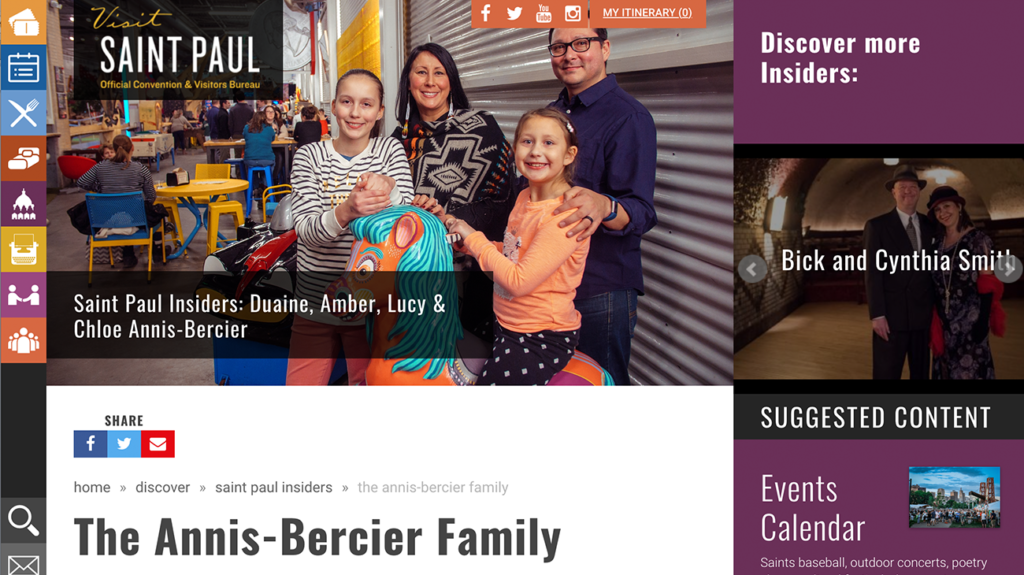
The tourism organisation behind Minnesota’s capital city has produced a content series showing what Saint Paul looks like through the eyes of its inhabitants. From cultural figureheads to young families, visitors to the website gain an authentic glimpse into Saint Paul’s unique culture via simple Q&A interviews, packed with valuable and unbiased recommendations of how to enjoy the city.

Showcase

The overused phrase stands true: an image paints a thousand words. Whether it’s stylishly-shot videos or immersive photo galleries, using multimedia to showcase what your organisation does is a powerful way to attract customers.

By using live footage from events or giving your audience a peek behind the scenes via professionally crafted video blogs, your website has the potential to attract interest from the moment people discover it.

Image galleries featuring a range of diverse and relevant photographs provide a similarly compelling hook.

Use authentic imagery

Authenticity is key when choosing which images and videos to share. Using generic stock images or old photos that no longer reflect what you do is a common mistake, and can end up repelling audiences instead of attracting them.

Aim instead to provide an authentic, unfiltered view of the sights, sounds and activities associated with your organisation (for example, a lively photo from a music festival that took place last night, or an exclusive look at the new programme you’re about to launch). This leaves your audience with an authentic taste of what they can expect when visiting your organisation.

Embrace user generated content

If you don’t have capacity to regularly produce your own images and videos, user generated content could be the answer. Embedding social media posts from platforms like Instagram and Twitter allows you to showcase timely and relevant images, while celebrating your community and inviting new visitors to join it.

To make the most of user generated content, we suggest using a third party social media aggregator that offers fast loading speeds and customisation. Loading speed is a factor that can influence both user experience and SEO, while customisation will allow you to arrange content elegantly without resorting to the unremarkable default options offered by some social media platforms.

Case study: UNStudio

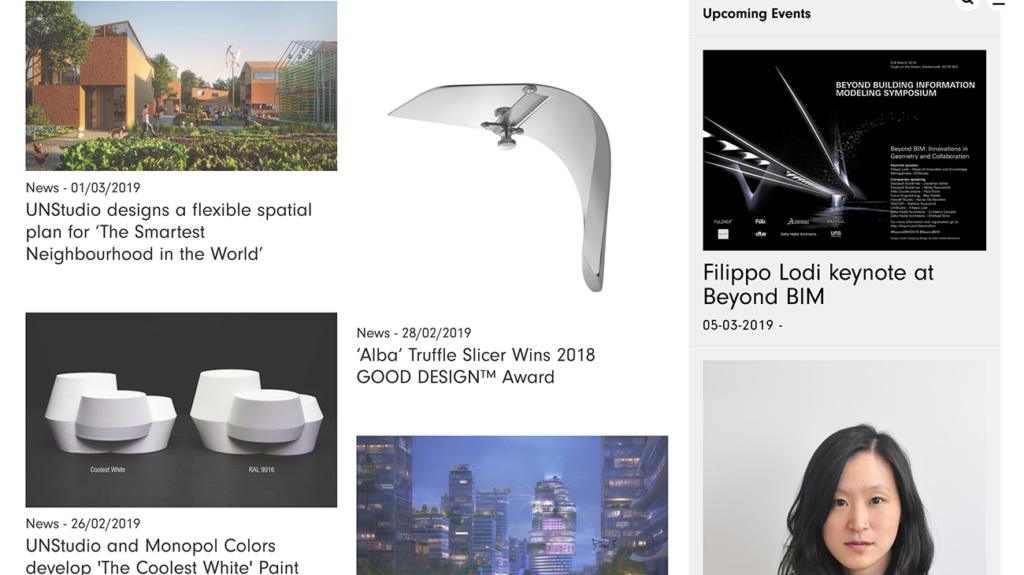
Architectural design network UNStudio showcases the lasting legacy of its future-proof designs by aggregating user generated content on its home page. Using the tool Curator.io, the organisation has embedded a selection of images from around the world, shared via Instagram by real people who have encountered and interacted with architecture designed by UNStudio.

Although your goal is to engage customers through images and video content, you should avoid overwhelming website visitors with excessive detail.

A carefully planned website gets around this by using tiered content, with interactive elements like accordions and pop-ups that reveal detail according to the user’s actions. This allows visitors to travel through your website at their own pace, without feeling bombarded by attention-stealing content.

Engage

When you’ve informed your audience about things that matter to them and showcased the experiences that make your organisation appealing, there’s every chance that they’ll want to take the engagement a step further.

This is your opportunity to create an ongoing relationship with your audience, capturing new leads and valuable data about customers via polls, competitions and free downloadable resources.

Offer value to customers

Despite common concerns surrounding GDPR legislation, it’s possible to keep your audience engaged and interested without breaking data privacy laws or resorting to cheap marketing tactics.

A great customer relationship provides value on both sides, allowing you to keep your followers informed about events and offers while they benefit from helpful content, special discounts and opportunities to take part in community events.

Persuading visitors to engage in the first instance will require careful consideration of your website design and the content you choose to share.

Small details like the position, colour and scale of call to action buttons can make all the difference when it comes to convincing someone to take the first step, as can the free content you offer as an incentive to subscribe to your mailing list.

Team up with influencers

As part of your overall content and engagement strategy, consider sourcing guest blog posts from thought leaders and influencers within your industry.

Positioning your brand with an influential figure can be a fast way to dramatically increase social engagement, build brand awareness and drive new traffic to your website.

Repeat

Thinking about these rules of attraction on a one-off basis isn’t enough. To consistently attract your audience, it’s important to continually reassess your strategy and maintain the conversations you’re having with customers.

Measuring your success using tools like analytics software, phone number tracking and dedicated mailboxes for web forms will help you to make informed decisions about which approaches are working best.

If you need a website that fulfils all three rules of attraction and helps your organisation reach its goals, The Co-Foundry can help. Contact us today for a friendly chat about your project.

Branding for film companies: why investing in design leads to better clients

Branding film companies

Moving images have come a long way in the last decade.

Once monopolised by cinemas and TV screens, video content has been revolutionised by the rise of online streaming and social media, providing new opportunities for the people who produce it. It’s estimated that by 2021, 80% of content consumed online will be video-based.

With an infinite array of visual material available online and a new generation of content creators to compete with, traditional film and television companies must work harder than ever to stand out.

High quality, award-worthy work remains an essential element of success for companies in this industry, but making the right first impression with impactful, professional branding is also a crucial component.

Film companies that fail to reflect the calibre of their work with a brand that matches their ambition risk losing the attention of today’s design-savvy audiences, not to mention the clients who can make or break the success of a film or television project.

Staying relevant in a crowded marketplace

To say that the internet has changed the film and video production industry would be a huge understatement. On YouTube alone, 400 hours of video content are uploaded every minute, providing limitless choice to viewers.

Elsewhere online, paid streaming services like Netflix, Amazon Prime Video and soon-to-be-launched Apple TV+ provide new platforms for film and TV companies to reach a global audience. National broadcasters like BBC and Channel 4 are also moving their efforts towards online content, with dedicated streaming services and exclusive digital programmes becoming commonplace.

Such monumental, industry-shifting changes have opened the floodgates for digital content creators, while simultaneously posing a challenge for traditional film companies.

Commissioning organisations are increasingly on the hunt for production teams who can keep up with the changing habits of consumers, and who can produce content that’s worthy of audience attention.

By investing in professional branding, film companies can position themselves as relevant to today’s audiences, demonstrating parity with the platforms and channels that shape viewer tastes.

Professional brand, professional reputation

Film companies that want to land high-profile commissions from high-paying clients, win awards and attract the best talent need to think carefully about the branding they use to position themselves.

When tasked with rebranding London-based independent film company Oxford Films, one of our key objectives was to modernise the organisation and help it to achieve parity with the likes of Netflix, BBC and Channel 4.

Despite a noteworthy portfolio of film and TV production work, the business’ previous brand was failing to reflect the team’s high level of expertise in making documentaries, drama and arts-based programming.

By analysing competitor organisations and commissioning channels, we came up with a brand identity for Oxford Films that presents them as authentic and original storytellers in their specialist genres.

The new brand and website draw parallels with well-known channels, while setting Oxford Films apart from less experienced companies by focusing particular attention on the projects that have attracted high viewership, critical acclaim and respected industry awards.

To ensure that the Oxford Films brand remains harmonious in all future marketing materials, we produced a clear set of brand guidelines, covering areas such as typography, colour and photography style.

The Co-Foundry helped us rebrand and design an aesthetically pleasing and functional website that reflected our core values and positioned us more effectively in our market.

– Alice Kent, Oxford Films
Since rebranding, Oxford Films has worked on prestigious projects such Diana, Our Mother: Her Life and Legacy – a film that has been broadcast by ITV and HBO and received praise from reviewers at The Telegraph and The Guardian.

Designed to attract better clients

Investing in design has helped Oxford Films to attract well-suited projects with clients who value their expertise. In a visual industry such as film and television production, branding and design serve as indicators of quality, which commissioning organisations undoubtedly take into account (recent rebranding efforts by Channel 4 and Netflix illustrate the continuing importance of design to such companies).

Perhaps due to the creative nature of the industry, some film companies assume that their own team will be able to design a suitable brand identity. This not only risks undermining the body of professional work that a company may have spent years accumulating; it also serves as a distraction for the talent within an organisation, who could be putting their creative efforts into award-worthy projects.

Conveying professionalism and originality through design is best left to specialists who have spent their careers developing the craft of impactful branding.

At The Co-Foundry, we specialise in helping film and television companies to stand out from their competitors and achieve ambitious business targets through design and branding. Our facilitated brand workshops get to the heart of what makes your organisation unique, helping you appeal to the clients you’d most like to work with.

Contact us today for a chat about what great design could do for your company.

Back to topUP