What’s the secret ingredient to a successful rebrand project?
A rebrand is a major undertaking – expensive, not without risk, yet totally transformative if you get it right. A successful rebrand gets to the essence of who you really are as a business and sends the right message out, the catalyst to help you attract the right people, reach new audiences, and leap confidently forward as an organisation, increasing the impact you make as a result.
The world is changing fast and we know that many CEOs and marketing leads will be reviewing their brand and positioning this year. So, what’s the secret ingredient to getting your rebrand project right? And what elements are missing from the typical process?
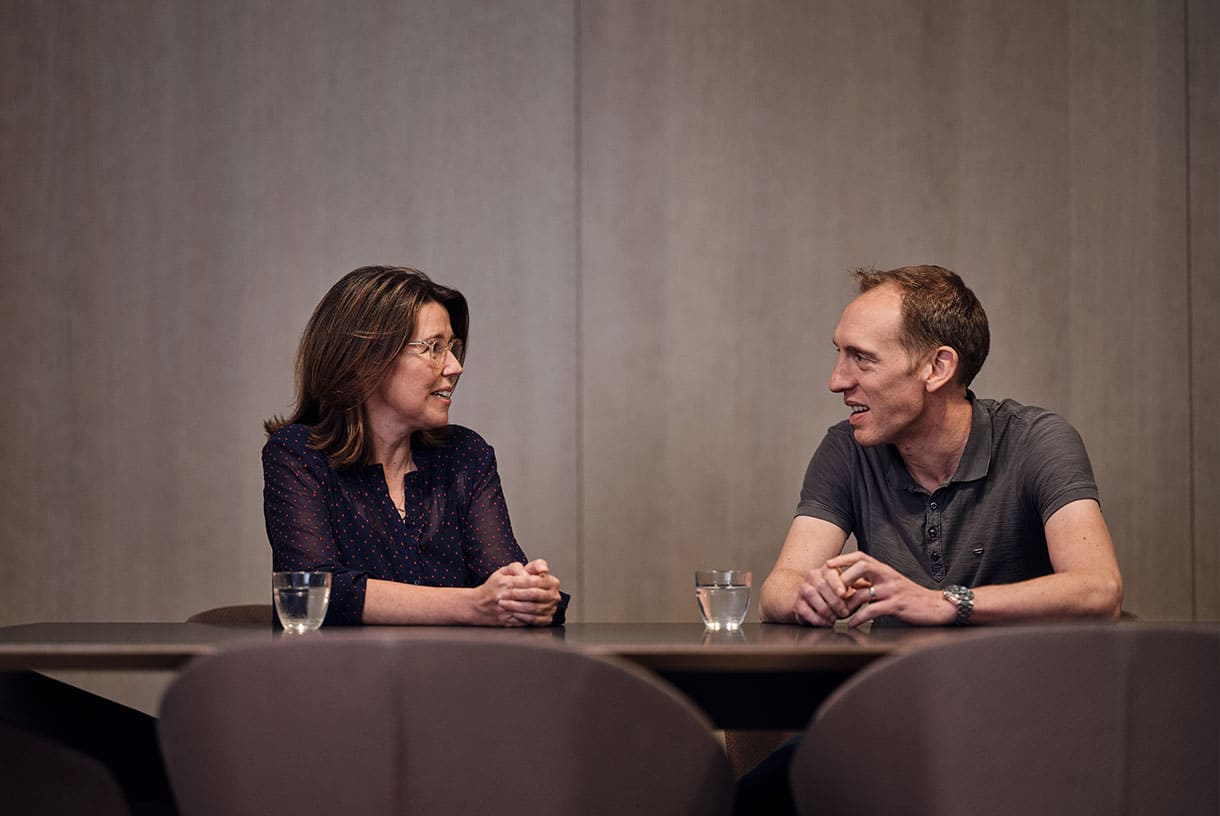
Brand strategist Sue Bush and I have worked together on some fascinating rebrand projects recently, and as we head into 2023, we’ve been reflecting.
We think there’s one major underplayed factor that affects the success of any rebrand. With the benefit of experience, here’s what can go wrong and the special ingredient needed to get your project just right.
Two common reasons why rebrands go pear shaped
We’ve all seen rebrands that bomb, with stressed out project teams and an end result that disappoints. But why?
Inward-looking discovery
Too much time looking inwards. Where the project might spend a little time reviewing the competition but what the audience cares about gets a cursory review at best. The result? Inward-looking ‘me, me, me’ messaging and a brand, website and comms that fall flat when released into the wild.
Rotten tomato syndrome
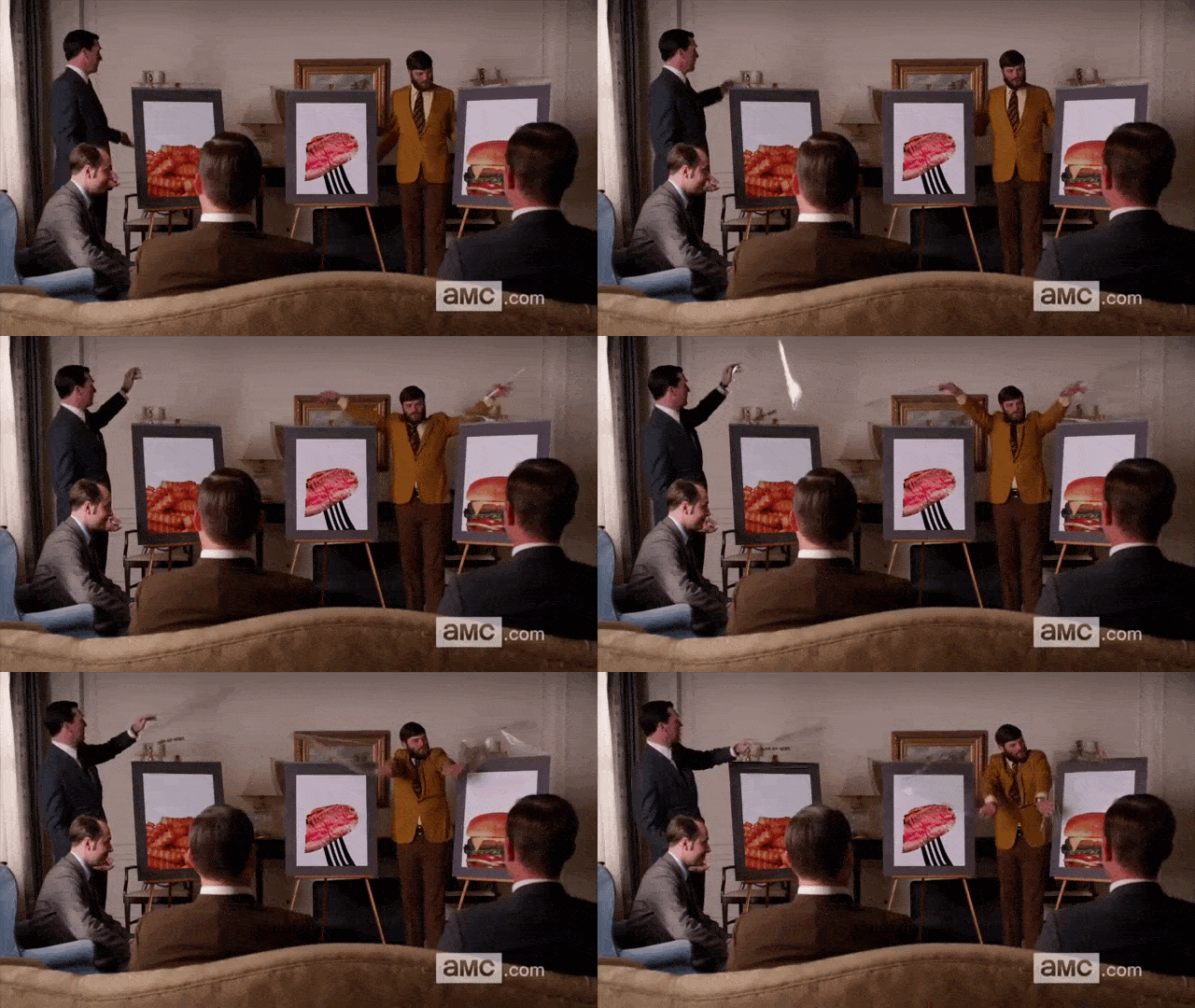
Internal disagreement. Where somebody important hurls doubt – rotten tomatoes – at the creative brand idea late in the day, knocking it down, leading to lots of infighting and a watered down, ‘meh’ type of brand results.
So, how do we avoid this?
The secret is to engage more widely
If you want a successful rebrand that gets to the heart of your message, it’s important to engage widely – not just internally but externally too.
As with much in life, it’s that so-called soft stuff that is the hardest to do right and with a rebrand it’s the key ingredient that makes all the difference between success and failure.
Continual, wide engagement is essential for a successful rebrand.
External engagement and listening
Internal listening and discovery is vital. It’s so important that people inside the organisation have their say, that you understand what they care about and harvest their ideas. And you need to set the rebrand in context and conduct research into your market and competition. Both of these elements are key to disovery.
But the bit that’s often missed in a rebrand process is external listening – spending time gathering the views of outside stakeholders – clients, partners, referrers, people who use your services. This external engagement is rare.
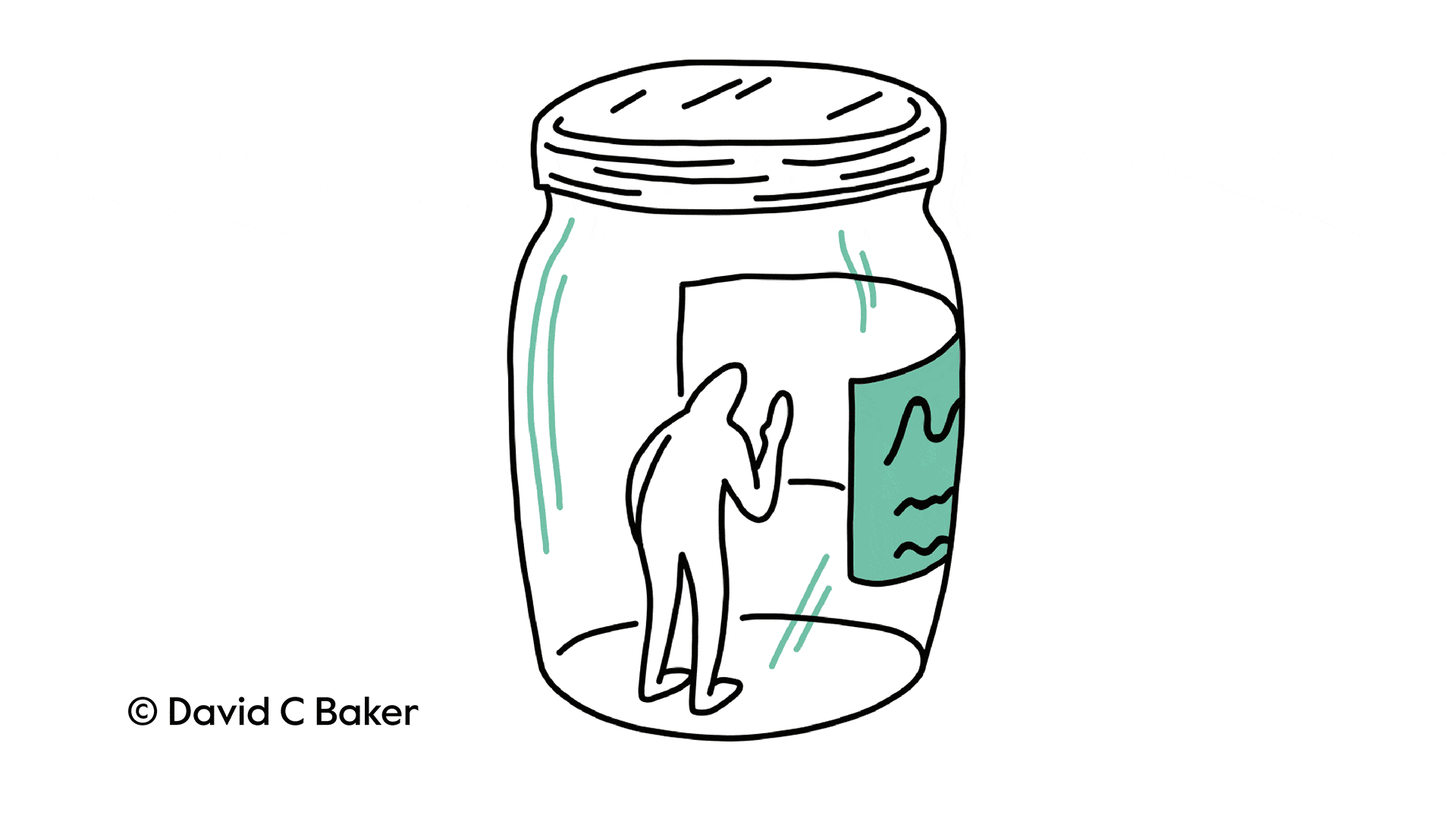
External research holds a mirror up to your organisation – it helps you see who you are and what you do from the outside in. And that’s massively valuable, because people on the outside can always see things more clearly. As David C. Baker wisely says, when you’re inside your own jar, you can’t read the label.
Spend time talking to them and you’ll learn where your true value lies.
Your brand isn’t what you say it is. It’s what they say it is.
Marty Neumeier, The Brand Gap
This outside perspective is so key if you want a relevant, powerful brand that connects – one that’s more ‘you, you, you’ than ‘we, we, we’ – their words, not yours reflected back.
Bringing in these external voices to the process puts a stop to rotten tomato syndrome too. It’s hard to argue with the views of external stakeholders, engaging everyone in a strong brand idea that’s rooted in evidence.
Engagement at the creative stage
Engagement shouldn’t just end on completion of the discovery phase. It’s also vital to keep people engaged when you get into the creative, involving a wide cross section of people from across the organisation into co-creation sessions. Creatives don’t have a monopoly on good ideas.
I think as designers, we’re addicted to the ‘jazz hands’, the big reveal, but creatives don’t have a monopoly on good ideas. Bring people in on it through co-creation.
Sue Bush, The Co-Foundry
Engage internal experts to help write the website
We’ve talked about research, we’ve talked about creative; you’ve delivered the brand guidelines, the tone of voice is written. How can you continue to engage people?
After the rebrand, the first major touchpoint is usually the website, and it’s the content side that often slows this down. It’s a big job, and the expertise and ideas you need to communicate on the site are found inside your organisation. You can’t leave this to an external copywriter alone – it’s important to engage your internal experts to help you write the content you need. It can be a really fulfilling process for people, if you engage them in this process in the right way.
Never stop engaging
Once you have delivered the brand, you’ve delivered that website, you’ve got to keep everyone on board. It depends on the size of the organisation – if it is very small, then it’s an easy thing to communicate and manage. But the bigger the organisation, the more of that engagement you need to do in terms of embedding values, communicating your vision, your mission, etc. So there’s still work that has to be done there.
Engagement never really stops. You mustn’t then retreat back into your shell and stop engaging and communicating in that way.
The secret to a successful rebrand is a high level of engagement
The secret to a successful rebrand isn’t just great creative or top down. It’s a people thing – it’s engagement, the soft fluffy stuff that is the hardest thing of all and exactly the kind stuff that makes a project succeed or fail.
Get the engagement right and your rebrand has a far better chance of landing with your audiences – inside and out. You’ll get a message that everyone gets behind because you’ve brought in people’s voices from the outside as well as within. You’ll get a project that they’ve enjoyed, one they remember for all the right reasons. And you’ll get a brand that propels your organisation forward, so you can make an even bigger impact.
If you have a rebrand project on the cards this year, the one thing you can take away from this is the importance of a high level of engagement throughout.
The many ways sharpening your positioning helps your business
Why write your own blog post when you can get your clients to write it for you? I could start telling you how vital it is to get your positioning right – it is, after all, an integral part of my work as a brand consultant – but showing you how it’s helped my clients seems a better way to go.
So, the format of this blog post is a little different. I’ve pulled out themes from recent client interviews to illustrate what various founders and chief execs have gained, not just in terms of sharpening their positioning, but from going through the process itself. Before I hand over to them, a few words on what positioning is:
Positioning is essentially your point of view in the market – what you stand for in the eyes of the audience you serve. It’s something stable but not set in stone, and every business or organisation should think about reviewing it from time to time.
And now, over to my clients who found that sharpening their positioning helped them in many different and sometimes unexpected ways:
1. Tell a consistent story
ISL Talent came to us aware that their brand identity didn’t reflect their position in the marketplace: “We were telling clients that we were focused on tech start-ups and were in tune with their market but then, if they went to our website, they’d see a very different story being told. So, the challenge was making our positioning and branding consistent with the story we were telling…It ended up being an inside-out rebrand…capturing the essence of the business and telling that story, at scale.” (Alan Furley, CEO, ISL Talent)
2. Become more relatable
Defining your positioning is a way of reflecting the values of your ideal client or prospect and so attracting exactly the sort of people you want to be working with. To get there you need to do your research and find out exactly what your audience cares about.
“A new client was able to recognise that our culture, values, and soft skills were really important to us. Our new branding and messaging communicated that providing an ongoing, long-term relationship was central to how we work and this made what we offer different to what he’d get from another recruitment company. And that is exactly what we’d wanted to portray. I feel confident we’ll get a tenfold return on our investment over three years and, in addition it’ll stop us losing business.” (Alan Furley, CEO, ISL Talent)
3. Prepare for investment in marketing
This is probably the single most cited reason that prompts clients to reconsider their positioning and revisit their brand’s strategic objectives. BaseKit CEO, Simon Best approached us for a number of reasons, but primarily because his company was about to embark on a significant marketing investment with a new team coming on board: “It was important to sort out our strategy and branding ready for the new sales and marketing team joining the company. I didn’t feel we were clear on how to articulate what we stood for any more. I knew we had to get our brand ducks in a row because we wanted marketing to hit the ground running.”
“You can spend a lot of time trying to get your CRM system right, thinking about your sales force and how you operate and train your staff. But getting the brand, the website and how you communicate with people is just as important as any other part of your work.” (Suzanne Rolt, CEO of Quartet Community Foundation)
4. Stake their claim and become the market leader
Both internally and externally, it wasn’t clear what travel company, Solos stood for. Nicky from Solos Travel: “There was this real need to put a stake in the ground and become known as the market leader in our field but before we could do that we had to find the right people to make sense of what is quite a complex business…I think what you [Sue] and Rachel have done creatively, and what Nicky’s done with the words, has allowed us to communicate very succinctly with the customer. So now they’ll come to our website and totally get what we’re about. But more than that, being totally clear on where we stand allows us to be more playful and much less corporate.”
It’s still early days for the Solos brand refresh (launching soon) but Nicky is confident, “I feel sure now that the brand will be able to go from strength to strength.”
Simon from BaseKit adds, “We have true standout now. Before, we looked and sounded like any other web dev company – we needed to be bold, express our opinion and demonstrate our personality. we’ve got that now and it’s really getting us traction.”
5. Reignite pride in the brand
There’s no doubt that a new and revitalised visual and verbal identity builds pride in a brand but the very process of going through the exercise is something that can also help your team rediscover their passion for the everyday work they do. In the words of Belinda Phipps, the CEO of national charity, WithYou, on receiving the brand strategy (after extensive research and discovery workshops): “When you can turn around and read statements about your brand it reconnects you to why your work is so important. That relights the fire. So, if nothing else, thinking about and discussing the brand reconnects you to the soul of the organisation and to individual souls – that point and purpose of why you exist in the first place. A lot of what happens day to day is plain hard work. It can be frustrating when things don’t always go smoothly, but being able to remind yourself why you’re doing it in that consistent and elevating set of statements – that’s really helpful.”
The team at ISL Talent had been frustrated by their previous brand image. It felt dated and didn’t reflect their culture or personality. One of the team said they were embarrassed by the branding which they called “faceless”. Alan, the CEO remembers asking them, “If we wanted to be 10 times bolder as an organisation, what would we do?” Incorporating this bold approach to the rebrand meant that the team now “feel energised by the new brand” and “proud to say [they] work at ISL.”
“The feedback is nothing but positive and I think it’s also re-energised the team. This is the first time we’ve seen something that we look at and go, ‘yeah, that’s representative of and unique to us.’ We’re really proud of it and excited by our brand in ways we hadn’t been before.” Jack Donnelly, Co-Founder, Dock
6. Give their team a voice
It isn’t just the final outcome (a well-defined brand) but the creative process of getting to that position which benefits the team. We tend to run a co-creation session sandwiched between the research/discovery/strategy stage and the creative brief stage. In the words of one client, Nicky at Solos Travel: “Sue’s co-creation session is a stroke of genius. It allows the team to come on the journey, understand the journey and feel that, even though they may not be decision makers, that it’s a very collaborative process. It’s particularly important when it’s a business that people have worked in for years and years.”
Sometimes the answers you need are staring you in the face, i.e. they’re there, within your own team. Quartet Community Foundation’s Chief Exec, Suzanne: “Getting the internal team together is a positive thing as so much that defines your organisation comes from them. They’re the people who are on the ground, doing the work, so when you give them a chance to step forward and say what they think, their views offer rich pickings. For example, when we were talking about values, we went quite deep and talked a lot about the way we work, how we deliver everything we do. The process of discovery revealed a resonant backstory and that has proved really, really helpful.”
“I think the depth that you went into with the research and the interviews – that led us to a place where we were like, “Yeah, this is more senior, this is more serious”, from an organisational point of view. We were blown away.” Jack Donnelly, Co-Founder, Dock
7. Build a great a culture
BaseKit not only needed to get their ‘brand ducks in a row’ they also recognised that as a growing and ambitious business they needed to retain as well as attract talent. The founder, Simon isn’t in the business of purely building for growth, he also wants to retain and develop the values he’s built the business on: “Sue’s Values in Action workshop galvanised the team behind our core values – we worked together in break-out groups looking at how we could live our values as individuals, as small teams and with our clients. It was a great way to embed those values and make sure they were part of our culture.”
8. Attract talent
When it comes to attracting and acquiring the very best talent it’s still a seller’s market in the creative and tech worlds. People have become very discerning. They do their research and look for values that resonate with them, looking for companies with a vision and purpose that’s meaningful to them.
Hot off the heels of a new look, full rebrand (name change, clarified position and new website – articulated through a revised brand strategy) Jessica Gillingham, founder and Chief Exec of Abode Worldwide attracted a big hire – an MD to share her mission.
“I needed someone to oversee basically all of the agency, to free me up to focus on growth. An MD is a difficult post to fill, it’s such a key hire. The person we eventually hired wouldn’t have considered Abode before we rebranded – it’s testament to how the new brand helps us look the part and articulate what we’re about so much better than before.”
9. Appeal to a new audience
Quartet Community Foundation came to us with a need to broaden their appeal so they could attract a new generation of prospective philanthropists. They were quick to recognise the importance of listening to their audience at the start of the rebrand so that they could get their positioning right: “If you don’t engage with people, then you can’t start to deliver on all those ambitions that you have – reaching new donors, attracting new philanthropists, encouraging other community organisations to come forward to look at what you’re doing and make a request themselves for support. The investment you make in listening is one that will always pay off.”
And finally, to summarise…
Multi-layered and rewarding as a process, sharpening your positioning should result in a singular, easily articulated and memorable brand positioning statement that can then start yielding all sorts of benefits. I’ll leave the final words to Suzanne and Belinda:
It’s very easy to be tempted to skip things such as thinking about vision, mission and brand values because you assume they’re known to everyone and shared by everyone, but actually, quite often, and especially as organisations grow, they’re not. They’re things that change as people leave and new people come in. The brand review went quite deep. It caused us to really reflect on what we’re here to do and why and how we do it. So, when people talk about a brand review, I think they initially might have quite a narrow understanding of what that might look like.
Suzanne Rolt, CEO of Quartet Community Foundation
Practical, tactical things will only ever take you so far. If it feels like there’s a lot about what your organisation looks and sounds like that needs to change you need to be looking at your brand positioning – really examining that and trusting in the process.
Belinda Phipps, CEO, WithYou – brand refresh launching this year
Navigate towards having the business you really want
Do you find that the pressures of running a business can become so overwhelming that you end up focusing only on the here and now, keeping going with client work and losing something of your core business personality in the process? Have you recently set off on yet another new project that diverts you from your mission?
Maybe an outside investor or advisor is encouraging you down a path you don’t feel entirely comfortable with? Perhaps you can’t articulate why, but you know in your heart of hearts that it doesn’t feel right.
In this post, I’d like to explain how two key brand strategy linchpins, working in unison, can help you stick to what you want your business to be. Aligning brand purpose with brand vision will give you the drive, determination and confidence you need to reach your goals and build the sort of business you really want.
Casting off
A helpful way to look at it is to imagine that stating your vision sets your North Star, the point on the horizon that you want to navigate your boat towards. To start heading towards that point you’re going to need a really good motor, and that’s where brand purpose comes in. It’ll not only get you to where you want to be but it’ll ensure you do so with self-belief and passion.
In this way, doubling down on defining an authentic purpose and vision for your business gives you clarity, focus and direction. Think of it as being blinkered, but in a good way – unwavering and determined rather than narrow-minded and uninterested. You’ll be giving yourself permission to turn down work that might sap your energy and kill your spirit, and ensuring you can do more of the work you love, with clients that will help you and your business thrive.
Purpose circus
I’m aware that the term ‘brand purpose’ can be divisive. There are those who swear by it as the holy grail for enabling brands to connect with customers on a personal level and, at the other end of the scale, there are a number of well-known marketing industry figures including Mark Ritson, Byron Sharp and Bob Hoffman who, some provisos notwithstanding, view it as an industry construct that is largely meaningless.
My view on brand purpose is that it’s more complicated and subtle than either of the above extremes: Your purpose has to be far more than a hook aimed at reeling in your customers – it should act as a powerful clarion call for your team. What you’re essentially looking to do is to express the reason you exist, the contribution and impact your work has on others. At The Co-Foundry, we choose to work with purpose-led founders and charity chief execs and find that the whole ‘define your purpose’ question can be answered relatively easily, linking back, as it does, to why the business or organisation was established in the first place.
Brand purpose, the way I see it, doesn’t have to be a lofty ‘force for good’ statement (although if that’s what you can genuinely go for, then great), it can be just as powerful as something more humble. The one thing it does have to be however, is real and authentic. Don’t let it ever become something you hide behind, make it something you can step into and live by. After all, can you really claim to be saving the planet if what you’re doing is flogging more widgets? And yes, you can align your purpose to the UN’s SDGs, but you damn well need to prove that that’s what you’re doing, not just say that you are.
How it works
My purpose for The Co-Foundry is quite simple – to help those that strive, go on to thrive. It may be a humble aim but it really puts some welly in my motor, helping me pick who I want to work with (sorry big corporates, you’re not on my list) – clients who are ‘small giants’ (as coined by Bo Burlingham in his book, “Small Giants: Companies That Choose to Be Great Instead of Big”). In other words, if profit is your sole motivator, count me out.
So, on a day-to-day basis, my purpose acts as an over-arching strategy that helps me define my tactics: who I want to work with, who I market to and how I build all the toolkits and solutions that will help my clients thrive. It also means I don’t get pulled in directions that take me away from that purpose.
Envisioning the future
Your vision is the aspirational partner in the purpose/vision pairing. As a North Star it doesn’t have to necessarily be achievable, but it also shouldn’t be so wild that it becomes nonsensical. To my mind, two-word visions smack of not much more than hot air. I had a client once who wanted their vision to read ‘Advance humankind’ (with their purpose being, ‘to drive the evolution of the human species’) – don’t get me started on that one!
If your brand values shape the day-to-day behaviour of your business and your brand mission shapes how you measure success on a month-to-month basis, then the vision for the brand is the year-to-year guide.
Stewart Steel, Good, brand consultants
Your vision should be something that stretches you, something that’s just a little out of reach but is easily understood and tangible while being open enough to apply in a rapidly changing world. The key is not to let your vision limit your ambition. For example, if you were an electric car company, you’d want to be thinking long-term, looking to include the term ‘transport’ but not the far more specific, ‘cars’. You might, after all, want to diversify into electric bikes or an as yet uninvented form of travel or even eco-flight!
Putting purpose and vision together
Mutually reinforcing, a clear-eyed approach to defining your brand purpose and brand vision, provides a robust framework that brings your future into focus. In fact, I’d argue that it’s well nigh impossible to build a brand without knowing where you want to go with it and what your underlying motivation is.
So, what are you waiting for? Set your aim and chart a course towards fulfilling a vision that stays true to what you stand for.
Recession-proofing
A recession inevitably conjures up the idea of cutting costs, treading carefully, thinking short-term and minimising risks. But is carrying the behaviours that might serve us well in our domestic and personal lives over to our businesses the best way to meet the challenges of a recession? And will caution, hunkering down and waiting for the downturn to pass help us emerge from a recession stronger?
The world doesn’t stop in a recession, things get harder for sure, but life goes on. If we take our foot off the pedal and go into preservation mode, it’ll feel like we’re standing on one of those interminably slow-moving airport travelators while our competitors, just by maintaining their own forward momentum, stride past, leaving us far behind.
Learn from the past
Having survived and thrived through several downturns, I know that there is a better way of approaching a recession and it comes with plenty of evidence to support it. As Mark Ritson (Marketing Week) says, “Provided you accept that we aren’t living in a paradigmatically different era of marketing in which history means nothing”, you’ll be better off ditching the ‘wait it out’ response.
A significant amount of data from previous recessions demonstrates that brands which indiscriminately reduce spending or go dark, experience protracted and costly recoveries while those that maintain spend which keeps them front of mind, remain relevant and enjoy future sales growth.
Going from a loss avoidance mindset to one where you focus on building resilience and creating continuous improvement is something your brand strategy will play a pivotal role in.
Think brand first
Brand is, in itself, a long-term strategy. It’s an identity – strategic, visual and written that makes up the entire ecosystem around your business and leaves no doubt in your audiences’ minds about your position in the market.
It’s worth remembering that during a recession sales slow down not because your customers are unwilling to buy but because they’re unable to. Being reactive (eg slashing prices) and not taking a long view on brand building is at best, inefficient and at worst, limiting – reducing your brand’s future potential. Defending your market position and ensuring your brand stays front of mind isn’t just so that when the economic situation eases you’re positioned to take advantage of it, there’s also a significant case to be made for being able to increase your share of voice (SOV) in your market during this time simply because, “everyone else is investing relatively less.” (Mark Ritson)
Go further, faster
Making like Samsung* and doubling down on your value proposition and refining your positioning will not only benefit you in the short term, boosting agility and helping you find wins in the here and now, but will also lay the foundations for doing better once the downturn is over: You’ll be riding the upward trajectory of the wave as it breaks through the end of the recession, seeing you ‘surf in’ further up the beach!
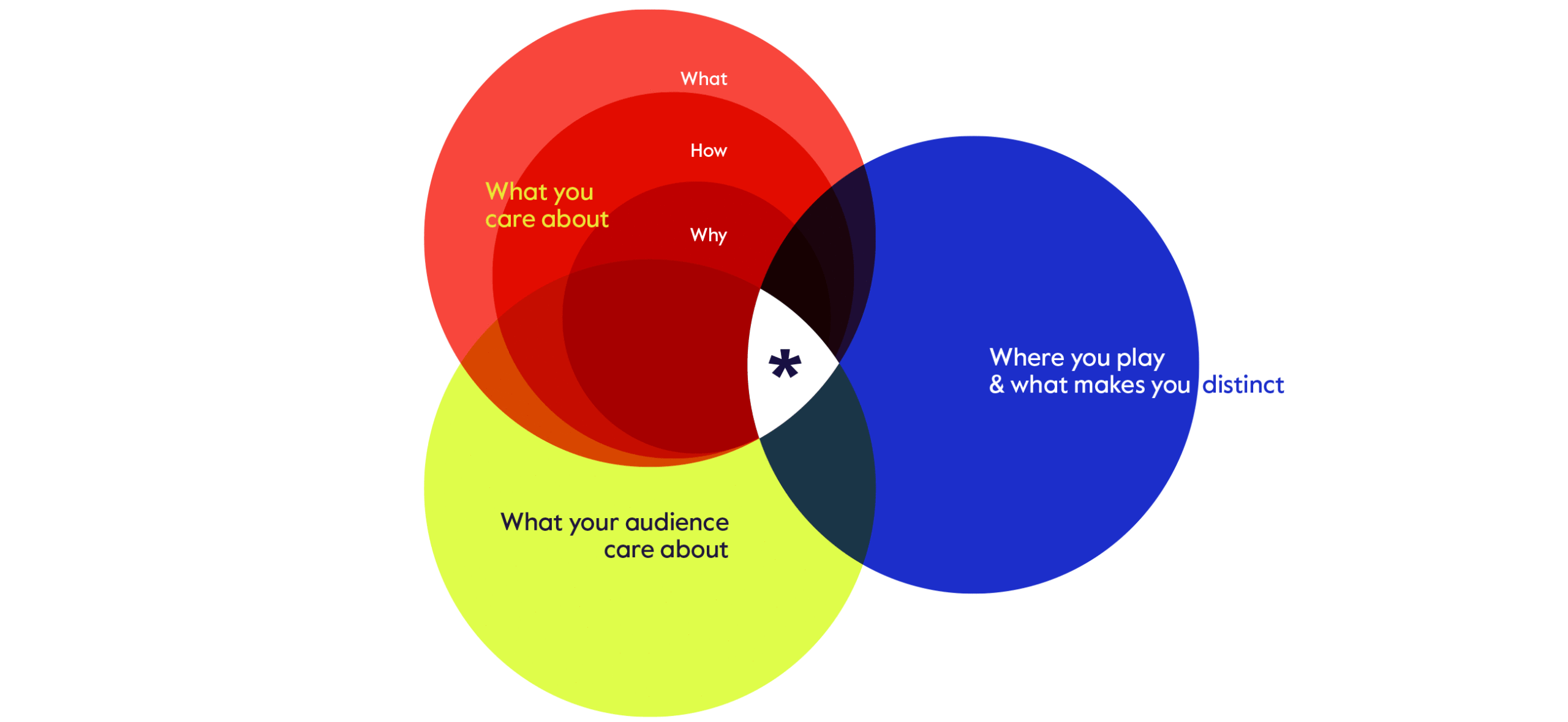
If you’ve ever been in a presentation or scoping meeting with me there’s a good chance I would have presented my ‘brand essence’ Venn diagram. This is the sum that feeds the strategy for your brand. If ever there’s a time to revisit this, it’s now – all three circles will be shifting – be that your audience’s focus, your focus or that of the market around you.
Here’s how: questions to ask, tips to follow
What your audience cares about – How is the recession affecting them? Have their needs and resources changed? What they feel about the service you’re providing matters now, more than ever – NPS scores and online surveys can only do so much. Tip: Put together some structured interview questions to ask people how they’re feeling directly. Real insight comes from human-to-human conversations as people are more likely to open up, particularly if the person conducting the interview is independent.
What you care about – If you aren’t 100% clear on your purpose or vision you and your team will lose motivation fast in challenging times. Similarly, not having absolute clarity on your values means your team and customers will recognise that lack of a principled approach to delivering on your promise. Tip: Get out of the office and run an away day – stepping out of the day-to-day helps you find your va-va-voom.
Where you play – Where are the new threats in your marketplace coming from? Who is sharpening their value proposition? Who has left the market? Is your positioning sufficiently distinctive? Tip: Run some competitor research. See if you can niche your offer by reviewing the value of your best services and sectors as well as considering who will be affected most by the recession. Test whether your positioning is robust and clear with this position matrix tool.
Act on what you find
By taking a holistic approach to reviewing your brand strategy and understanding your positioning, you’ll be making sure that you invest in the right places, improving your offering and building resilience into your business. This won’t necessarily mean you need to rebrand your entire business but be open to recognising that your findings may prompt you to refine and refresh what you have, tightening your messaging, sprucing up your visual touchpoints and refocusing your marketing plan.
And the good news? It’s later than you think
By the time the data declares that we’re in recession (defined by having had two consecutive quarters of negative economic growth) we’ll have lived through and survived six months of it already. When the world feels bleak, it pays to remember that this is a time like any other – it won’t last forever and it’s often followed by a period of higher economic growth. Take your team with you and allow yourself, amid all the worry and concern, to still love what you do, recognising the positive impact it has on the people you do it for.
(Harvard Business Review has analysed a number of recessions – those in the 1980s, 1990-91, 2000–2002 and 2008–9, studying almost 5000 companies from the lead-up through to the aftermath of recession. The 9% that flourished post-recession, outperforming rivals by at least 10% in sales and profit growth had all trodden a delicate balance – focusing on “greater operational efficiency along with investing relatively comprehensively in the future by spending on marketing, R&D and new assets.”
Bain & Co’s 2019 worldwide report on the last recession, found that those companies that maintained marketing while competitors cut back were able to maintain growth during and after the recession. They cite the example of Samsung* which maintained marketing investment in 2008–9 and focused on rebranding itself as an innovative company during that time, seeing itself go from No 21 in brand value among Interbrand’s global list in 2008 to No 6 in 2019.)
Demystifying brand discovery
What’s your appetite for risk?
Perhaps it’s a bit of a strange question coming from a brand design consultant but bear with me…
Let’s say you’re thinking about embarking on a rebrand or brand refresh and you see the phrase, ‘brand discovery’ or ‘brand immersion’ as the first in a series of steps an agency has in mind for you.
Do you know what it means? And will you be taking a chance on it? (The agency knows what it’s doing, right?) Or, as you’re pretty sure you know what you want from the design process, maybe you’ll see if you can skip anything with a whiff of workshop about it.
Why discovery matters
In truth, brand discovery (that’s what I call it!) is integral to any rebrand or brand refresh. It sits at the heart of a project, and is far more than that initial, ‘getting to know you’ discovery call a client and agency have by way of introduction to each other. It’s what needs to happen before anyone starts doing any of the creative work as it is what informs the brand strategy.
So, rather than being a question of, “Do I need this?” it’s more about, “How deep do we need to go?”
It helps you manage risk
A helpful way to look at it is as a see-saw or sliding scale – the bigger the brand overhaul, the riskier it gets and so there’s a greater need to invest in really thorough research. It’s a way of mitigating the risks that any change such as rebranding brings:
Potential damage to your carefully built brand equity
Financial cost of rebadging – on and offline
Cost in terms of the time that will need to be blocked off
After all, you just want to get it right. So, if you’ve been in business for a while and it feels like your brand identity hasn’t kept pace with where you are and where you’re headed, then go in deep, looking at your brand from all manner of perspectives.
How to make the most of brand discovery
Use brand discovery to acquire absolute clarity on the what, how (character and personality) and why of your business, involve and listen to your team, and then take the discovery process beyond your organisation. Look outwards – examine how your customer sees you, understand what they care about and challenge yourself to look at your marketplace and the wider context you operate in (remembering that not all your competitors will sit in the same space as you). All of this will help you mitigate risk and create a brand that’s more empathic and finely focused on the value you provide.
Brand discovery, immersion or 360° – let them call it what they like, but do make sure you do it.
Brand systems
Brand language, brand framework, brand toolkit… these are just some of the terms used, sometimes interchangeably, when talking about the myriad visual rules regarding shape, colour, typography, iconography, photography, video and motion, and user interface design in branding. A better way of looking at these rules, when they’re all put together, is that they make up a Brand System.
Why is a brand system important?
The combined elements of a clear brand system, consistently applied, help foster brand recognition, both online and offline – taking in everything from social media posts, to physical touchpoints such as signage and large format display. Your audience becomes familiar with your brand looking, sounding and speaking to them in a particular way and this, over time, builds trust.
From your side, having a brand system and the brand guidelines that flow from it, ensures that all your external creative agencies, as well as your internal team, are always able to produce high-quality communications that retain the thread of that original brand idea.
What is included in a brand system?
To illustrate the concept of a brand system and run through what goes into it, here’s an example of a recent rebrand The Co-Foundry did for Abode Worldwide, a PR and content marketing agency that has a leading position within, and works exclusively with, the lodging tech sector:
Typography – a typeface reveals far more about a brand than you might imagine – switch the Nike font for say Time New Roman and the dynamic personality of the Nike brand identity is immediately lost. But it isn’t just the typeface or combination of fonts that gets established by a good brand system, it’s also the hierarchy and case (whether it’s all caps or if you choose sentence case for example) that gets set out.
We selected just one typeface for the Abode Worldwide rebrand: TT Norms, choosing it for its contemporary precision. Its understated nature reflects the Abode brand’s confidence and leading position in the market, something which is further emphasised by employing just one font weight and using colour and size to give hierarchy, rather than relying on capitalisation or varying weights.
Colour palette – this refers to the combination of colours that expresses the personality of a brand. The number of colours and variation, and the use of primary and secondary colours all form the rules within the palette.
The personality for Abode Worldwide was defined as one of substance and gravitas – they are a market leader in the area they operate in. The resulting palette has a limited range – gold combined with a pale paper beige and a serious deep blue. With the brand idea for Abode Worldwide being Rise & Shine, we selected secondary fonts drawn from dawn and dusk colour palettes. This plays out across Abode’s sister brand, Pillow Talk, which is their established thought leadership media channel, well-known for providing the industry with insight and inspiration.
Graphic devices – at the heart of a brand system, these shapes and illustrative devices are used as image placeholders and signposts, adding dynamism and interest to the brand.
Abode Worldwide raises its clients’ profiles by increasing their exposure. The radiating circles device was created as a key element of the brand identity and is primarily used as an image overlay or watermark, adding soft texture or highlighting a point of interest within an image.
Iconography – used sparingly to add meaning or signpost content, a library of icons can be a hardworking component within the brand system. Sticking with one style (be it hand-drawn, single colour, full colour, linework etc) helps to reinforce the brand language while overcomplicating with a mixture of styles dilutes brand identity.
For Abode Worldwide we developed two types of icons – a set of radiating circles to signpost content and more illustrative devices to develop infographics, such as their approach graphic:
Logo – the most obvious and well-known element of what goes into a brand system. It is often, but not always, combined with a tagline. A brand system will typically include rules around the placement and use of variations (full colour, inverted, white out, one colour, black).
Logomark – now synonymous with social media avatars, the logomark or motif is derived from the logo and is used for website favicons and social media profiles.
Sub brands and lock-ups – depending on the brand architecture model defined during the strategic planning stage, this is a set of rules for articulating sister or sub-brands and needs to be defined at the design phase.
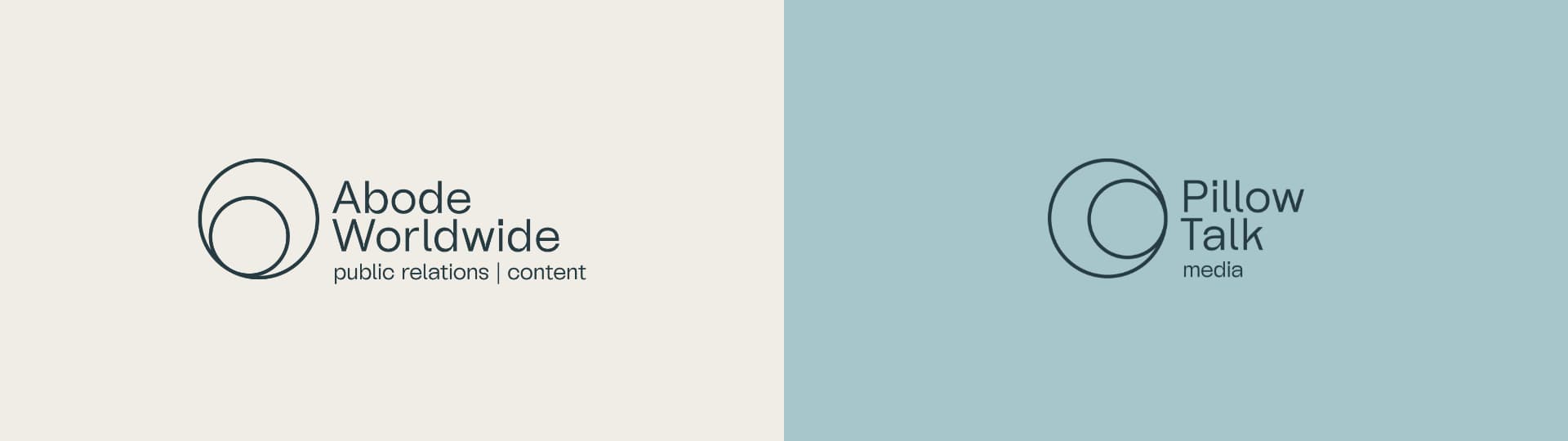
Abode Worldwide has a thought leadership media channel, Pillow Talk, which is delivered as a Substack blog. We developed the identity for this sister brand using the same motif as for the main brand, twisting it to create a moon motif. It can also be set in an alternate blue palette:
Photography – The images you choose can reinforce or challenge perceptions of your brand and, as such, need much thought and consideration. For example, employing conceptual stock library images, and mixing them with naturalistic documentary style photography rarely works to present a cohesive style.
As well as photographing the team for website and marketing collateral, we gave Abode guidance on the balance and choice of images for their own content marketing activities. We encouraged them to source images of people working, resting and playing, balancing that with property photos (an 80% people/20% buildings ratio) to give some context without getting too geographically specific as Abode’s audience is global.
Video and motion – transforming your brand identity from static to dynamic literally brings a brand to life, making it a far more engaging proposition on digital platforms. As with any other aspect of a brand system, setting style guides for motion design helps to build consistency and recognition.
Animating Abode Worldwide’s radiating circles device expresses something growing and evolving, communicating the value Abode brings to its clients as it raises their profiles through public relations and content marketing.
User interface design – following on from the wider brand system, this is a digital design system that defines interactions and components such as call-to-action buttons and interactive behaviours such as hyperlink hover states. A brand is experienced across many touchpoints and the experience should always be consistent, and never jolt or jar.
Abode Worldwide’s new website design and development set the style guides for everything from image hover states to dropdowns and client testimonials.
Brand guidelines – aka the brand system rule book – this is where everything comes together including tone of voice guidance for the verbal expression of the brand. Good guidelines should demonstrate how the brand’s visual elements can be dialled up or down, depending on use, case or audience. For example, social media applications can be more flexible, allowing for something more visually dynamic while proposals and stationery may be more reserved in their application.
Testing the effectiveness of your brand system
A brand system is so much more than a logo, in fact as your brand becomes known and recognised, a branded touchpoint should be recognisable even if the logo is hidden from view. This is something which is called ‘passing the thumb test’ – would your audience know who you are without seeing your logo? Would your brand identity still be recognisable when your logo is obscured?
As a brand becomes more established, there is always scope to ‘play’ with its identity – i.e. step outside the rulebook – for example, for seasonal or thematic campaigns. But take care not to start out on this tack too soon and break rules to satisfy your own creative itches. Stay true to the system and avoid change for change’s sake or you’ll risk losing valuable brand equity.
What next for brand systems?
In recent years we’ve moved from static brand identities to incorporating motion guidance and digital UX design rules, but what will we need to be thinking about next?
As we start experiencing the metaverse, a 3-D digital space, in the mainstream – brand systems will grow and become more complex, but the need for consistency and building trust will only grow more important.
Make yours a double!
What do we look for in a brand identity?
Something that’s eye-catching and authentic – a truth effectively captured and communicated in a creative and novel way. A far cry from the ‘playing-it-safe’, ‘looks-just-like-the-rest’ school of branding, a truly distinctive brand identity can energise you and your team – firing up your marketing activity, resonating with new talent, and attracting and holding onto the audiences you’re trying to reach.
It may seem that to create that sort of brand identity takes a whole load of luck – that it’s by definition, a bit hit and miss – but it doesn’t have to be. What you need to do is find the source of what makes your brand tick, something I like to call brand essence. And, when you’ve discovered and defined your brand essence, you need to, with the help of your creative agency, find a way of making your brand come alive in the real world.
Introducing the double distillation process
I like the word ‘essence’ – it’s such a visual word for describing the outcome of the double distillation process that has to happen.
As a process it’s funnel-shaped: you start broad and wide – researching, speaking to your customers, reviewing your market, deep diving into what you and your team do, what you care about and why. The findings from this stage then get distilled into succinct statements: value propositions, vision, mission, values, purpose, personality and strategies. The next stage narrows the focus – taking the statements you’ve already distilled and distilling them again.
It’s a method akin to creating a fine brandy. Whereas wine is made by fermenting fruits like grapes once, brandy – a more potent spirit (from the Dutch word, brandewijn which means burned wine) goes through a second distillation. And just like in ‘branding’ (see what I did there?) – that last drop of golden nectar is where all the flavour – the essence, lies.
By taking those initial statements and strategies and putting them through another round of distillation you come up with your brand essence, something that can be the hero in the creative brief you hand over to your design agency.
Unleashing creative freedom by setting boundaries
Why this extra step – why do we distil twice? Why not hand over the whole (once-distilled) strategy document and ask your agency to run with it? Because the diverse collection of initial statements, from value propositions to personality statements, could send your agency running in any number of directions, potentially moving further and further away from what really matters to you.
It may also seem that the narrowed focus you get from a short, albeit carefully defined, brand essence could limit your options but in fact, setting boundaries like this is far from restrictive. Just like the framework of a haiku can make it a particularly powerful form of poetry, a defined brand essence gives your agency the freedom to be creative while preventing them from going off-piste.
Kit Altin (Chief Strategy Officer at The Gate) describes this kind of succinct creative brief rather wonderfully as “a glowing core”. In a workshop I attended she challenged us to start with 16 words, then told us to cut it in half and then half again, from eight words to four and so on – the trick being to make the essence phrase you come up with ‘springy’, something you can bounce ideas from…
A bouncy springboard
The brand essence word or phrase becomes your theme, your brand idea, your creative platform – call it what you will, and brand strategists refer to it in many different ways – it becomes the core of any creative brief. Its very bounce-ability provides a versatile creative springboard that inspires and offers direction but is far from prescriptive.
This is what makes it particularly powerful – it doesn’t try to solve the creative problem as such, but leaves plenty of room for divergent thinking. Also known as lateral thinking, it’s a free-flowing, spontaneous way of giving yourself the space to come up with many different solutions or ways forward. It isn’t your tagline (although on certain very rare occasions, it may become that), it’s a purely conceptual trigger for your copywriter and designers.
Brand essence in action
Once I’ve defined the brand essence phrase, I take it into our client co-creation sessions for a further, final round of inspiration-gathering before pulling it all together in a creative brief. This gives us visual reference – further triggering and feeding the creative pool. Here are a couple of examples of brand essence in action from two of The Co-Foundry’s most recently launched rebrands:
Tech company BaseKit develops powerful software tools for partner brands such as telcos and hosting companies to sell on to their micro business customers. Their apps are focused on delivering a stripped back, lean product and the BaseKit team pride themselves on delivering simple, efficient apps that always work, requiring minimal effort on the part of their end users.
BaseKit’s essence: ‘Effortless success’ – the idea that the customer can get up and running online fast, without any need for technical know-how.
Our co-creation session with BaseKit provided so many references that we were able to come up with different creative territories within that brand essence, themed as follows:
The ‘Effortless success’ brand essence informs the visual language of the brand with flow arrows (signifying speed and ease) weaving their way around content, graphics and typography, a bold and optimistic colour palette and photography that champions BaseKit’s end-users – the everyday hero, business owners.
Quartet Community Foundation is a combined philanthropic and grant-giving service provider that covers the West of England area, investing in local voluntary sector organisations which tackle systemic unmet community needs, supporting people who want to do good and helping create a culture of philanthropy. Our recent rebrand, saw us dig deep (excuse the pun!) to define their brand essence as ‘Grounded giving’ – partly inspired by research that included the following quotes:
Quartet’s new brand identity revolves around themes of flourishing and growing, and also connection – these lay the foundations of the ‘deep rooted change’ (Quartet’s eventual tagline) Quartet is able to bring about.
The visual brand language employed to convey these ideas is one of simple shapes, derived from the redesigned logomark. These symbolise the process of growth and connection; connection in terms of bringing communities of people together (experts, local donors and their beneficiaries), fostering partnerships and tackling problems from the ground up – not just the symptoms of unmet community needs but their causes (or the root of the problems) too. Brand resonance is further reinforced by positive, knowledgeable and emotive messaging that piques curiosity, inviting Quartet’s diverse range of audiences to click, find out more and get involved.
A solid, well-defined brief is vital if you want to come up with a powerful brand identity. You have to be prepared to make choices and sacrifice ideas in order to come up with something that inspires and offers direction without confusing or constraining your design agency. Double distillation offers a way of identifying your brand essence in clearly defined stages.
Having that second level of distillation in your brand creation process means it’s easier to be selective and you’re also able to ensure that only your strongest ideas make it through to the brief. So, fill the funnel and be prepared to distil and then distil again!
Opening the doors to change
Life is a series of seasons and stages, a journey of and through change. How we respond to the changes that come our way determines our future. Even though we may sometimes get stuck, human instinct programmes us to problem-solve, let the light in and find ways to improve things.
When we’re working with clients, the blockages we come up against might be organisational, professional or personal. Frequently, particularly with purpose- or founder-led companies, it’s a mixture of all three, in varying degrees. We help our clients overcome these blockages and move on by, firstly and most importantly, discovering what has caused them to get stuck and from that, understanding what’s motivating them towards wanting to make a change.
Understanding the motivation behind change
Of course, as a brand consultant, my focus is very much on helping bring about the transformation that will make all the difference. Having the right strategy, great design or spot-on copywriting are just some of the ways that brands can arrive at a place of clarity where they really resonate with their target audience. But what I find equally fascinating is doubling down on discovering what is driving that need for change in the first place:
So, what is it that motivates people to always be looking for improvements in themselves and their teams, all the better to serve the people they have an impact on? I wanted to take a closer look at this area and set myself the task of gathering and analysing the answers to one question that I recently asked my clients and collaborators:
In the last year, what change, either intentional or one that you couldn’t avoid, has changed your life for the better, and why?
I chose to ask this now because just over a year ago, I underwent my own transformational rebrand (I wrote about it here) and became The Co-Foundry. The last year seemed like a good time frame to give people, particularly as it coincided with the UK reopening its economy after the pandemic lockdowns.
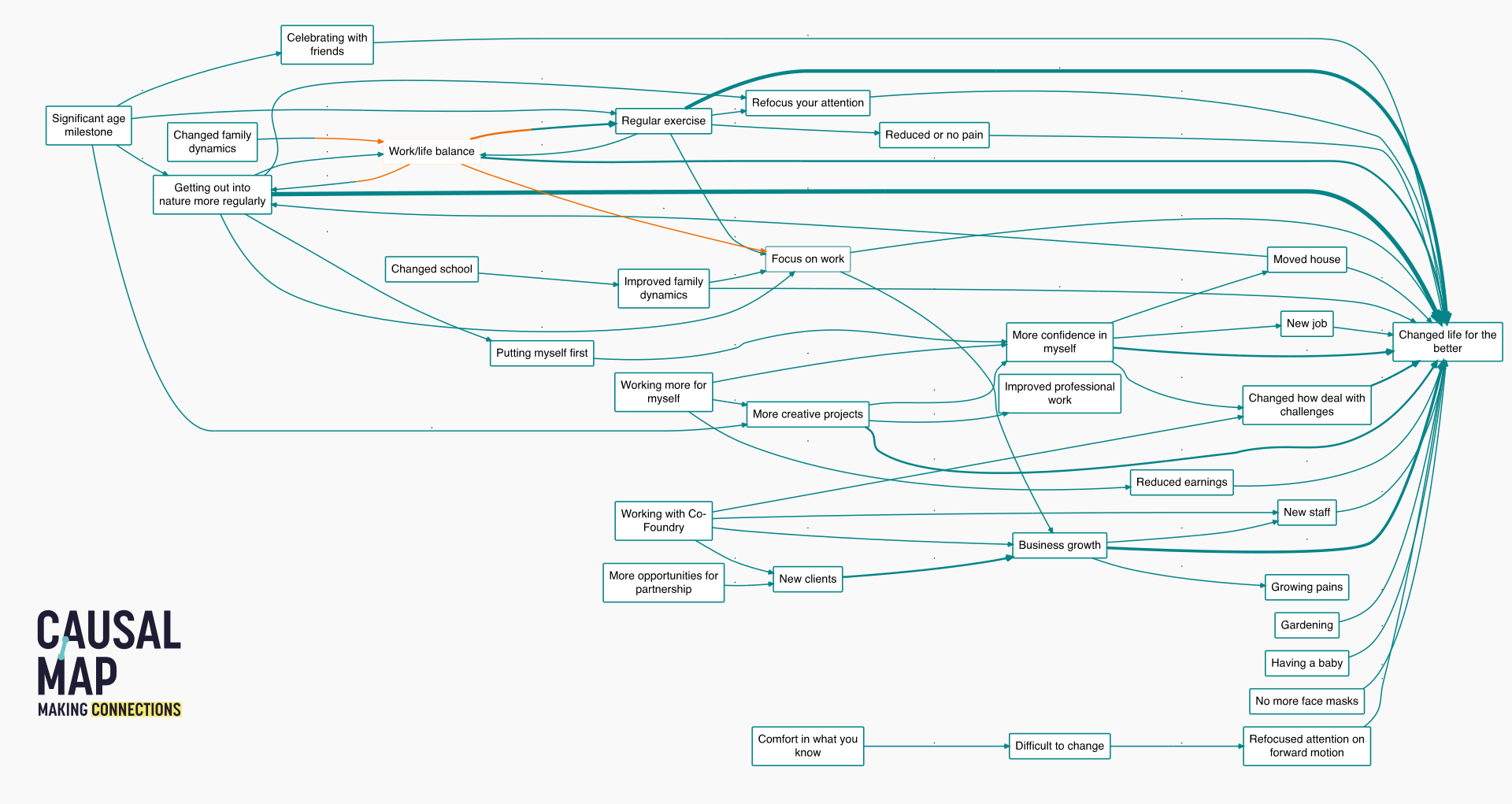
The question was deliberately left open, allowing respondents to reply without being led and discouraging closed one-word answers. As our client Fiona Remnant from Causal Map says, “a good open question elicits a story of change”. In fact, when Fiona saw the question come into her inbox she immediately replied with an offer to use their Causal Map app to analyse the survey results. The results you get from Causal Map are so much better than any word cloud visual because the app is able to highlight cause and effect in the answers.
The Causal Map app
Initially developed by a team from the University of Bath to help charities evaluate the impact of social change initiatives, Causal Map is a new online research tool – a way to aggregate, analyse, code and visually present information, making sense of what interviewees are telling you and finding links between causal factors – uncovering what causes what.
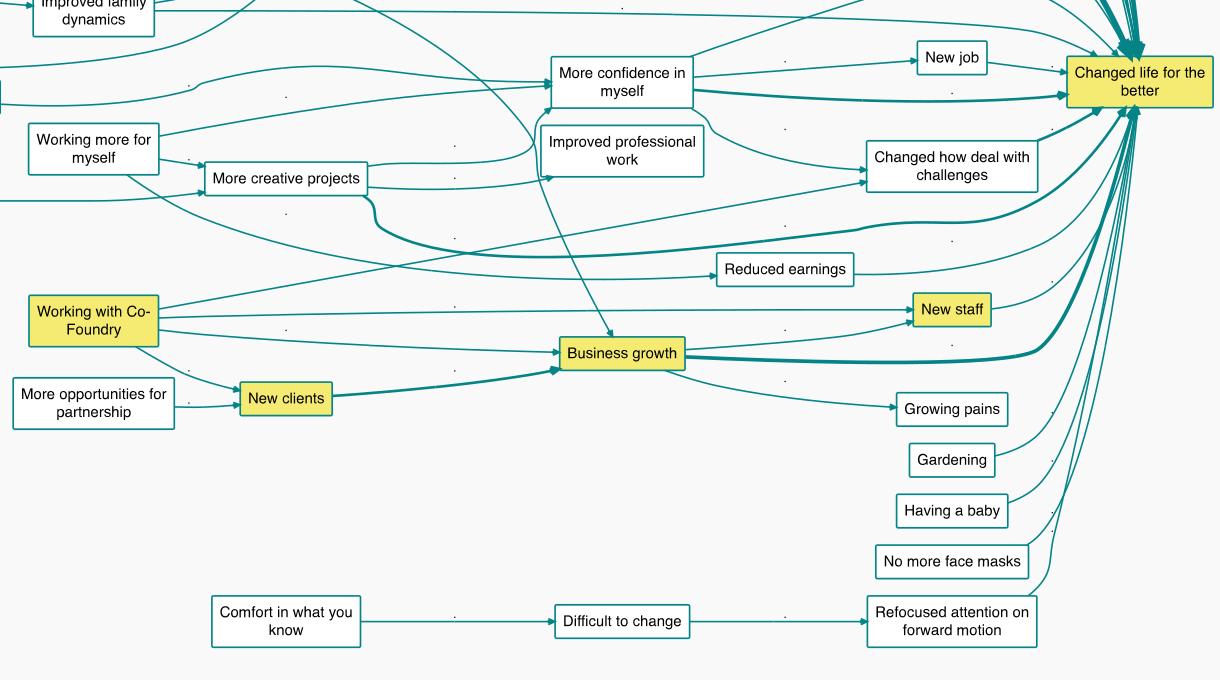
The answers, quite naturally, were varied but definite themes emerged. It was pleasing to see a thread appear in which several respondents cited The Co-Foundry as contributing to their business growth through the repositioning work we’d done with them.
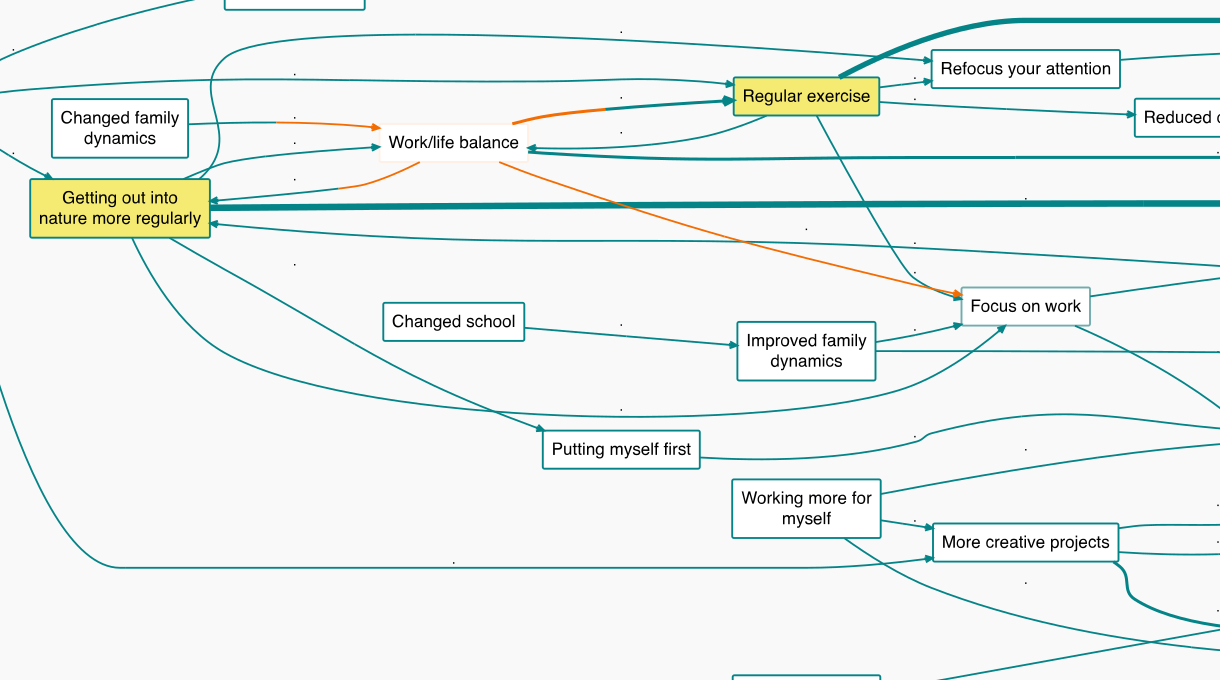
But the intention behind the question had always been about so much more and by far the strongest causal theme in the responses given was a desire to get out into nature more regularly with the resulting effects that would have on improving family dynamics and work focus. As one respondent put it:
So mostly simple, intentional things … I need to do to maintain some level of basic fitness and wellbeing and to get it done and out of the way before I set off for a day planted in front of a computer screen with seemingly little or no ability to prise myself away once begun. The main idea with this is to get some early morning daylight whilst physically outside and not wearing sunglasses.
And another…
The pandemic brought about remote working, and this made it harder to switch off and maintain a healthy work / life balance. What works for me is to do something drastically different to flip me out of work mode. This could be getting out in the open air with my kids, playing football, goofing around with them, taking the dogs for a walk, or going to the gym.
Towards greater openness
What really struck me though was not so much what people said, but how personally they chose to respond – the openness and intimacy of their answers. I do believe that despite all the terrible effects of the pandemic, this ease with being far more open reflects something positive that has come out of that time. The past couple of years have undoubtedly changed how we interact, particularly at work. Whether it’s between clients or among colleagues, it seems like that professional guard has been dropped in favour of something altogether more human. Although the spark may have been the collective shock of the events and repercussions of the pandemic as it unfolded, this increased openness was also down to being ‘invited’ into people’s hastily assembled home workspaces and seeing them in less traditional working environments, amid their everyday domestic lives.
How the personal speaks to the universal
When we work on rebranding projects, it’s that opening up, where people feel able to talk and share freely, that yields the most valuable material; when personal stories and experiences start filtering through during our collaborative discovery process. After all, as marketing strategy consultant, educator and author, Mark Schaefer said in his 2019 book, Marketing Rebellion, “the most human brand wins”.
As human beings, we engage best when we have a clear and concrete sense of detail. Personal responses and lived experiences offer that specificity which leads to connection because they open the door on the universal truths we all share and can identify with.
And of course, rebranding itself, particularly for The Co-Foundry’s client base of founders and creatives, and purpose-driven charities, is invariably a highly personal thing, which is why we always look to bring the teams of the companies we work with on the brand transformation journey.
The Great Re-evaluation
When you’re in the research phase, asking open questions and gathering ideas, there’s always a temptation to keep going. It would have been interesting to have gone back further to uncover the underlying causes motivating my clients and collaborators to seek change. Was it burnout arising from that first pandemic year of lockdowns or was it a deeper-seated shift in values that the pandemic brought to the fore?
I definitely got the sense that the answers I received from the relatively small sample of people I asked my question to are reflective of the Great Re-evaluation we’re hearing so much about, “It isn’t so much that people have less ambition, but that their ambition is changing – from being about career success first, to work-life balance,” (Julia Hobsbawm OBE, entrepreneur, consultant and author of The Nowhere Office).
The upheaval prompted by the pandemic revealed how precarious the world, as we thought we knew it, was. The realisation that ‘all bets were off’ forced us to change our priorities and be more vocal about what was really important – relationships, family, health, hobbies and our communities. For many, work and ways of working revealed themselves to be far more flexible than we could have ever envisaged, pre-pandemic. One of the answers I received certainly backed up this up, “I definitely used to think every element of my life had to be calculated and I always had to know what my next move was going to be – but since letting go of that and being brave enough to live in the moment, I’m a lot happier!”
And it’s this sort of spirit that will undoubtedly find its way into how brands reposition and reimagine themselves in the future – letting more of their ‘human’ element in – all the better to appeal to the people who matter most to them.
Many thanks to Causal Map for their help in putting together this blog post and my research findings: Whether you’re working on strategy, researching a project, wanting to evaluate an initiative or visualise stakeholders’ experiences, Causal Map has the power to not only help you gain a deeper understanding of what’s going on behind the scenes, but also to be able to present those findings in a visual and compelling way.
One year on
Reflections on a year of pole positioning
This time last year, I was on the brink of climbing out from behind my very comfortable rock and announcing a big change.
Rebranding and going from agency to consultant felt scary and exciting in equal measure. And the result? (Spoiler alert) It’s positively sunny out here in the open – so much so that I wanted to share the standout lessons I learnt on my journey.
By way of background, my career had seen me co-own an agency in London and found a smaller agency (Touchpoint Design) in my current home base in the West of England. One year on from repositioning and rebranding – going from having a team of full-time employees to becoming a consultant, working with independent specialist collaborators – it’s proved to be the best thing I’ve done in my 30-year career. No offence intended to anyone I ever employed or worked with in previous incarnations – becoming The Co-Foundry was centred on what I needed from my professional life moving forward.
Becoming The Co-Foundry
As The Co-Foundry, the work we’ve produced in the last year has been some of the most rewarding of my career. And it is very definitely a ‘we’ – the team of trusted experts that I’ve brought in around me who are clever, creative, supportive and just plain wonderful.
Numerous benefits came out of the process of challenging myself to take the plunge and make that change. To name just a few: I gained a greater understanding of my clients and what they value, I found (and was able to concentrate on developing) my voice and I refined my process (something which is ongoing and will never stop). But the absolute standout benefit was discovering that with the change and rebrand, the prospective clients we now attracted as The Co-Foundry were the right people for us: People who understand how we’re different in what we offer and who, even more importantly, value us for precisely that. We’re not for everyone and that’s okay.
Positioning yourself so you can say no
The main thing with positioning is to use it to first of all, find your sweet spot and then, communicate it. Being specific and not trying to be all things to everyone is vital.
When you’ve worked out what you love doing, what you’re good at and who you love doing it for, you’ll be putting yourself in a position of control which is also a position from which you’re able to say ‘no’.
The act of nailing your positioning doesn’t always have to be about niching, although that was what it was about for me. In my case, going from being a catch-all agency offering multiple services (digital, graphic and branding) for a wide range of clients (from startups, to museums and everything in between) to being specific about what I did and who I did it for, proved THE most liberating change. The Co-Foundry is positioned to focus on providing brand strategy and advice for a defined audience: creative and tech, founder-led companies.
Being clear about who you want to attract and what you want to do makes you more attractive to the audiences you want to serve.
Being clear about who you want to attract and what you want to do makes you more attractive to the audiences you want to serve.
Facing up to fears
Good positioning is about saying yes to the right people and no to the ones that don’t fit.
But maybe the idea of saying ‘no’ makes you uncomfortable and you can’t help having that nagging feeling that you’ll be missing out on opportunities? It’s certainly what held me back from making my move sooner – the perceived risk that the pipeline would dry up, that there wouldn’t be enough prospects out there wanting our narrower value proposition. And there was also the fear that the creative work would end up being repetitive – doing the same thing for the same type of client – and where would the fun be in that?
Recognising the reality
When you’re defining your position, you’re not of course, just putting your finger in the air and picking out a random niche. Positioning comes from your existing professional experience and understanding of the marketplace. The size of the market for what you offer will relate to the goals you set for yourself.
My concerns around the creative aspects of the work I’d be doing proved unfounded. Talking more generally, the deeper you get into any niche, the more patterns you’ll see. But patterns don’t mean that the solutions you come up with will repeat themselves. If anything, a deep level of understanding and familiarity with a particular area means you’ll be able to be more targeted, bringing more nuance to bear and being able to quickly discount ideas you know won’t work.
How does it benefit the client?
Narrowing what we do and who we do it for means we’ve been able to propose the right strategies and develop identities more effectively than if we were approaching the work from a more generalised position. This gives us more time and space to ask questions and then listen and understand the answers before making recommendations and designing solutions.
Having a narrow niche means that we’re continually refining and learning. Not in terms of learning new skills on the client’s time but building on experience that we can then draw on time and again.
I’d go so far as to say that we’ve done some of our most creative work in the last 12 months because it’s come from that place of having deeply focused positioning and so, fewer distractions.
A word of warning
Nailing your positioning doesn’t mean you can sit back and enjoy the ride knowing all the hard work has been done.
Refining your offer and the process that goes with it is something that doesn’t ever stop or stand still. For example, working on several brand strategy projects in the past year I’ve learnt that I love working with client teams, bringing everyone in on the task in hand. Although any project always starts with the founder, a good brand refresh or rebrand can’t get off the ground without the team understanding the strategy, believing in it and getting fully behind it. Over the course of the last few months, I’ve developed extra steps in my process to accommodate for that new realisation. Prospects that would rather not involve their team are not right for The Co-Foundry – another instance in which we’re learning to say ‘no’.
Looking to the future
However firmly set it may be, The Co-Foundry’s positioning remains a work in progress. And maybe that’s the point. There is no fixed end destination – it’s a journey and one I’m determined to keep going on.
I’ll end with some words of wisdom from others. Their thoughts helped me resolve to take the plunge when I was thinking of starting out on my own rebrand:
This quote from David C Baker whose book, ‘The Business of Expertise’, helped crystallise what good positioning is:
What we consider to be distinguishing factors that set our firm apart are not that distinct at all. They might very well be true, but they are not uniquely true, and that’s the fundamental challenge of positioning: how to be less interchangeable or how to be uniquely true rather than just true.
And Jim Collins’ ‘Hedgehog Concept’, helped confirm in my mind how it’s better to focus on doing one thing well than to spread your efforts across a wide range of things. This way of presenting the idea that organisations should focus on something they’re good at, deeply passionate about and which is good for the health of their business drew on Isaiah Berlin’s, ‘The Hedgehog and the Fox,’ which divided the world into hedgehogs and foxes, based upon an ancient Greek parable:
The fox knows many things, but the hedgehog knows one big thing.

 Two common reasons why rebrands go pear shaped
 Rotten tomato syndrome